
Astronomers Watch Two Massive Galaxy Clusters Colliding in Deep Space
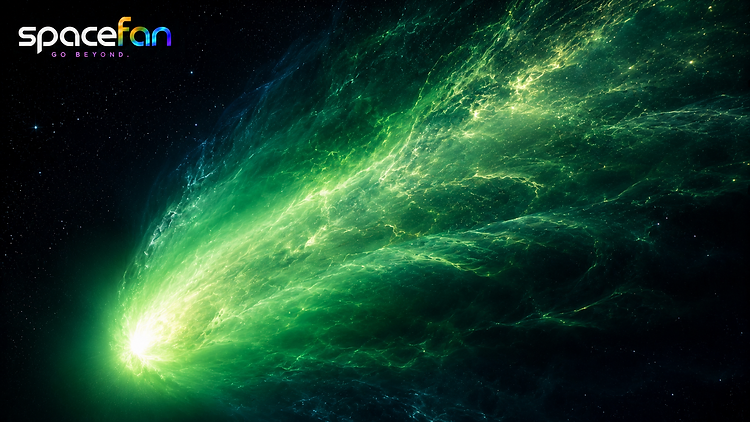
Scientists have spotted a giant cosmic crash between two galaxy clusters that are slamming into each other at incredible speeds.
The Drop
Why It Matters
The Catch
Put That in Perspective
This crash is estimated to have happened about 300 to 500 million years ago from our current viewpoint. Astronomers plan to continue using computer models to match the shape and speed of this cluster to other known collisions in space to better predict how it will look in the future.
Keep Exploring Space

A Powerful Space Explosion Might Be Powered by a Magnetar
Scientists discovered a strange rhythm in a cosmic blast that points to a rare, super-magnetic star.


A New Way to Measure the Universe's Hidden Matter
Scientists have found a clever method to map invisible dark matter by looking at how light bends around massive galaxy clusters.

A Solar Flare Without a CME Still Packs a Punch
Scientists discovered that small solar eruptions can create powerful shock waves even when they do not release a massive cloud of particles.

Scientists Watch Solar Magnetic Fields Expand Into Space
New high-resolution images show how magnetic fields grow and stretch as they rise from the Sun's surface.