
Solar System
Our own neighborhood: planets, moons and everything between.
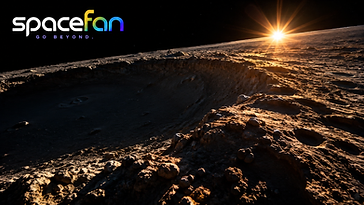
Moon Craters Are Shallower in Its Darkest Corners
New high-resolution images show that small craters in the Moon's cold, shadowed regions are shaped differently than those in sunny areas.

Protecting Worlds: How We Keep Space Clean
As space travel grows, scientists are updating rules to keep our planet safe and protect other worlds from Earth's hitchhiking germs.
A New Way to See Inside Uranus and Its Moons
Scientists are planning a smart radio tool to scan the hidden interiors and potential oceans of Uranus and its icy moons.
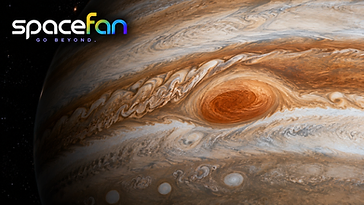
Jupiter's Colorful Swirls Revealed in New Juno Mission Image
A stunning new photo from the Juno spacecraft captures the beautiful and complex patterns in the clouds of our solar system's largest planet.

A Classic Look at Neptune from Voyager 2
Decades after its historic flyby, Voyager 2's famous images of Neptune continue to help us understand our solar system's distant blue giant.
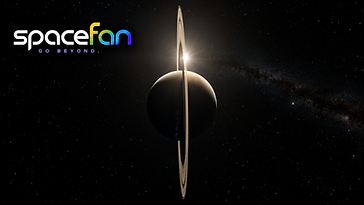
Why Some Planet-Forming Disks Keep Their Shape So Long
Scientists have found that small, wobbly patterns in space dust can get stuck in place for millions of years instead of spreading out.

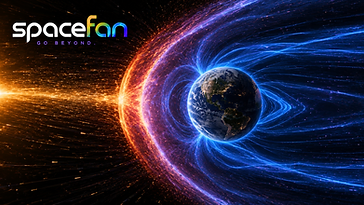
How the Sun's Magnetic Field Changes Rain on Mars
New research shows how the direction of solar magnetic fields controls the amount of energy hitting the Martian atmosphere.


Updating Rules to Keep Mars Safe for Future Exploration
Scientists are proposing new planetary protection rules to prevent Earth germs from contaminating Mars as our missions become more complex.
A New Way to See Mercury's Invisible Magnetic Field
Scientists have found a clever way to map Mercury's magnetic field by tracking how light bounces off clouds of sodium atoms.

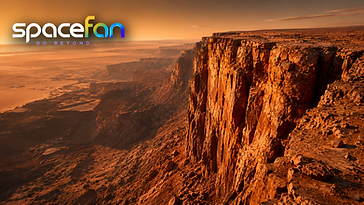
Mars Rover Finds Ghostly White Rocks Outside Jezero Crater
The Perseverance rover has spotted mysterious bright rocks that could hold clues to the ancient history of water on Mars.
Why Martian Rocks Are So Different From Earth Rocks
Scientists discovered that the tiny minerals inside Martian meteorites behave differently because of their unique history on the Red Planet.
High-Speed Space Dust Electrifies Mercury's Atmosphere
New research shows that fast-moving space debris turns into glowing, charged particles when it hits the surface of Mercury.

Unlocking the Secrets of Uranus and Neptune
Scientists are studying gas atoms in the air of giant planets to figure out how they were born.
Hidden Ice Deposits Reveal a Changing Surface on Dwarf Planet Ceres
Scientists found evidence that ice is shifting and moving across the surface of the dwarf planet Ceres near its poles.

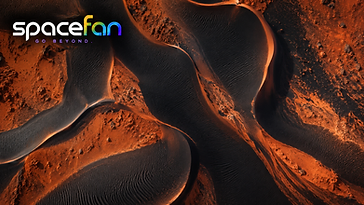
Using Desert Dunes to See Beneath the Surface of Mars
Scientists used desert radar to learn how to scan Martian sand dunes for hidden structures.