Space.Fan — Go Beyond
ApJ · 3 HR AGO
DiscoveriesPEER REVIEWED

James Webb Telescope Shows How Ancient Galaxies Stopped Growing

By Space.Fan Editorial Desk

New research reveals that some of the oldest, largest galaxies in the universe stopped forming stars from the inside out long ago.
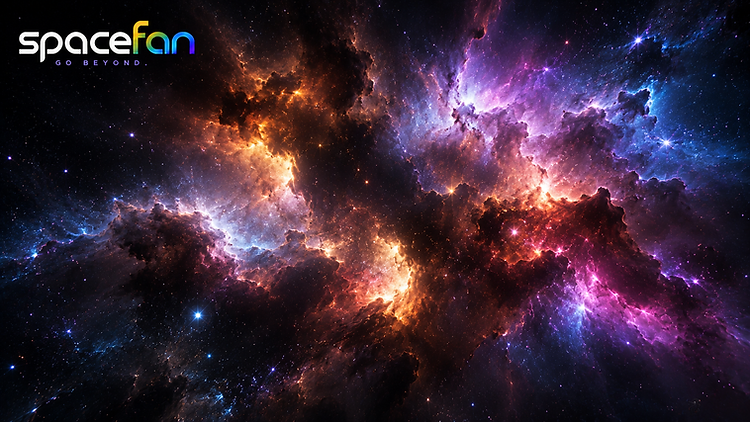
Colorful glowing nebula filled with stars and clouds of blue, purple, orange, and red gas.
Image · Space.Fan

The Drop

Astronomers used the powerful James Webb Space Telescope to look back in time to when the universe was much younger. They studied 14 massive galaxies that had already stopped creating new s. These galaxies were alive during a busy time in space history often called cosmic noon. By looking at these old systems, scientists wanted to learn how they became quiet and stopped forming new clusters. To see what was happening, the team used the telescope's special cameras to take deep pictures of these galaxies. They also used computer models to figure out how old the s were in different parts of each galaxy. By breaking the light into colors, they could see the history of formation buried deep inside. The researchers discovered that these galaxies were mostly dense and round, shaped like smooth footballs. They found that the center parts of these galaxies grew old and stopped forming s before the outer edges did. This pattern is called inside-out quenching because the shutting down of formation happens from the core moving outward. The data suggests that the centers of these galaxies finished their growth about half a billion years earlier than the edges. This gives us a new look at how massive galaxies mature in the early universe, showing that their structure was already set in stone billions of years ago.
Advertisement

Why It Matters

This discovery helps solve a big puzzle about why some galaxies suddenly stop their -making process. The pattern of inside-out stopping points to a cause, likely the activity of a supermassive at the center of each galaxy. The energy from these central giants may blow away the gas needed for s, effectively turning off the light in the center first. Knowing that this happens early in the history of the universe tells scientists that galaxy growth is a very organized process. It rules out the idea that these galaxies stopped growing randomly and shows that internal changes are a major factor in how a galaxy changes shape and activity over time.
Advertisement

The Catch

The study only looked at a small group of 14 galaxies in one specific field of view. Because the sample size is small, researchers cannot be certain if these findings apply to all massive galaxies in the early universe. Additionally, while the patterns suggest s are to blame, this study does not directly observe the s themselves, leaving some room for other theories to explain the findings.

Put That in Perspective

Scientists have known about this inside-out process in nearby galaxies for a long time, but seeing it happen so far away is a new achievement. This confirms that the laws governing how galaxies shut down have remained largely the same for billions of years. Future research will likely focus on even more distant galaxies to see if this trend continues closer to the beginning of time.

Source September 24, 2026
ApJ

Keep Exploring Space