Advertisement
Space.Fan — Go Beyond
ApJ · 5 HR AGO
DiscoveriesPEER REVIEWED

James Webb Telescope Unlocks Secrets of Dusty Planetary Systems

By Space.Fan Editorial Desk

New images reveal hidden details about how ice and dust swirl around distant stars.
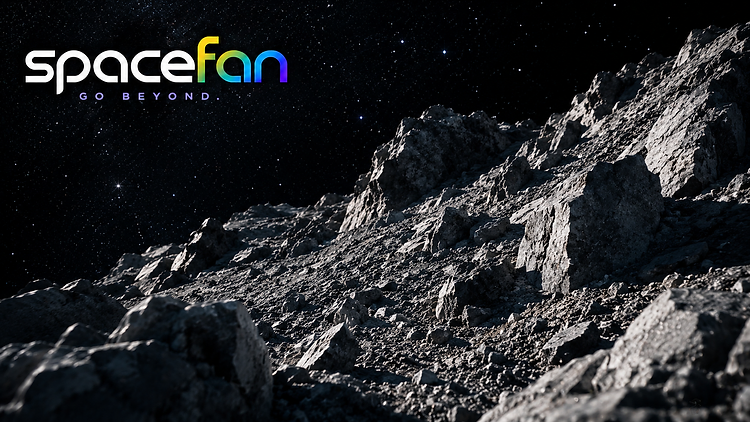
Rugged rocky asteroid surface covered with boulders beneath a star-filled sky.
Image · Space.Fan

The Drop

The James Webb Space Telescope recently took a close look at five dusty, rocky systems orbiting distant s. These systems, known as debris disks, are filled with rocks, boulders, and tiny particles left over from when their s were still forming. By using the telescope's powerful NIRCam instrument, scientists were able to capture images of these disks in great detail. The telescope acted like a shield, blocking the bright light of the s so that researchers could focus on the faint dust rings surrounding them. Researchers looked at how light bounces off the tiny dust grains in these systems. This tells us what the dust is made of and how it behaves. The team found clear signs of water ice in all five systems, which shows that these distant places might be more like our own solar system than we previously thought. By comparing these new, clear images with older photos taken at shorter light wavelengths, the team could see how the dust moves and spreads out. The dust seems to be pushed around by the 's light, especially the very tiny grains that drift far away from the center. This helps scientists piece together the history and makeup of these busy neighborhoods in space.
Advertisement

Why It Matters

These observations are important because they give us a map of how ary systems grow and change over time. By seeing where water ice is located, we can learn more about how ary bodies are built and what materials are available to form s. This helps experts test their ideas about whether other solar systems follow the same rules of nature that ours does.
Advertisement

The Catch

While these images are very clear, they do not show us everything. Some of the larger grains of dust are harder to spot and might be hidden closer to the s where the light is too bright. The team also relies on computer models to guess exactly how the dust is moving, and there could be other factors like gravity from hidden s that we cannot see yet.

Put That in Perspective

Scientists have studied these five systems for a long time using older telescopes, but those images were often blurry or lacked detail. Webb provides a much sharper look, allowing researchers to see tiny features they previously could only guess existed. Future studies will likely look at even more systems to see if water ice is a common feature throughout the galaxy.

Source September 25, 2026
ApJ

Keep Exploring Space