Advertisement
Space.Fan — Go Beyond
ApJ · 2 HR AGO
UniverseMODEL

Meet NAPTIME: The AI That Hunts Rare Black Hole Events

By Space.Fan Editorial Desk

A new AI tool helps astronomers spot rare star-eating events by black holes in a flood of space data.
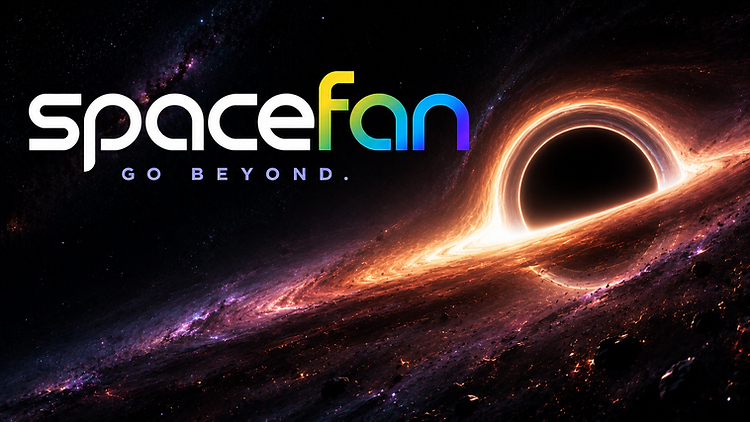
A black hole with a glowing accretion disk in deep space.
Image · Space.Fan

The Drop

The Vera C. Rubin Observatory is almost ready to turn on. Once it ts looking at the sky, it will take millions of pictures of space every night. This will create a giant stream of information that is too much for humans to look at one by one. Astronomers need a way to quickly figure out what is happening in those images, especially when something rare pops up. One of those rare events is a Tidal Disruption Event, where a pulls a apart. To solve this, a team created a new computer program called NAPTIME. It acts like a digital detective. Instead of just looking at one picture, it looks at the way light changes over time. By looking at how these objects get brighter or dimmer, NAPTIME can tell if an event is a eating a or just a normal changing its light. It uses smart math to make good guesses even when the information it gets is incomplete or messy. When scientists tested NAPTIME on fake data that looks like what the observatory will see, it performed very well. It was able to correctly sort different kinds of space events with high accuracy. Even when the AI only had a little bit of information from the t of an event, it could still make a smart guess about what was happening. This will save scientists a lot of time by pointing them to the most interesting parts of the sky.
Advertisement

Why It Matters

Tidal disruption events are rare, but they are very important because they let us study giant, sleeping s that we usually cannot see. These events act like a flashlight, shining light on a so we can measure its size and behavior. Without an AI tool like this, scientists would miss almost all of these events because they happen so fast and fade away. NAPTIME changes this by giving astronomers a fast, automatic way to find these events immediately. This allows telescopes on the ground to quickly turn and take a closer look before the light disappears forever.
Advertisement

The Catch

NAPTIME is currently tested using simulations, which means the data is created by computer programs to mimic what we expect to see in space. While the results are very promising, real space data is often much messier and full of surprises that a computer program might not be ready for. We will not know for sure how well it works until the observatory is actually running and sending back real images from the deep sky.

Put That in Perspective

In the past, astronomers had to look through images by hand or use simpler tools that often made mistakes. As we enter this new age of giant space surveys, we are moving from human-led searching to computer-led discovery. Future versions of this technology will likely be tested on even more complex data to prepare for the massive amount of information the observatory will produce.

Source October 1, 2026
ApJ

Keep Exploring Space