
Small Magnetic Pockets Shape the Sun During Quiet Times
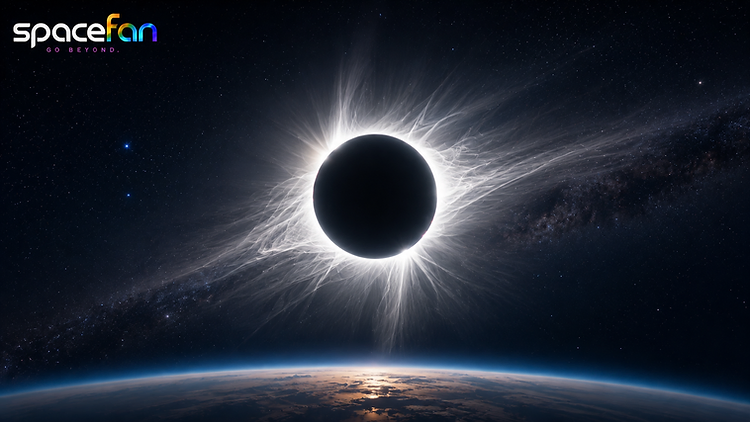
Researchers found tiny magnetic flickers on the Sun that help explain how it sends light and energy to Earth even when it is not very active.
The Drop
Why It Matters
The Catch
Put That in Perspective
Scientists tracked solar magnetic data going back to 1976. They noticed an overall drop in magnetic activity over the last few decades. Researchers suspect the Sun might start becoming more magnetically active again by 2029 as it moves into a new phase of its long-term cycle.
Keep Exploring Space


Tracking a Solar Storm as it Travels to Mars
Scientists used a new method to track a powerful solar eruption all the way from the Sun to the Red Planet.

How Turbulence Calms Down in the Space Near Earth
Scientists used NASA's MMS mission to discover how chaotic energy in space settles down after crashing into Earth's magnetic shield.


New Tool Will Help Scientists Map Hidden Black Holes and Neutron Stars
A future space mission will use gravitational waves to hunt for secret, dense star pairs hiding in our own galaxy.


Black Holes Might Be Spinnier and Wildlier Than We Thought
New research suggests that black holes formed in pairs can spin in unexpected ways, breaking previous rules about how they move.