
A New X-Ray Camera Maps Winds Around a Hungry Neutron Star
Scientists used a powerful new space telescope to watch a dead star feeding, revealing how gas creates glowing winds in space.
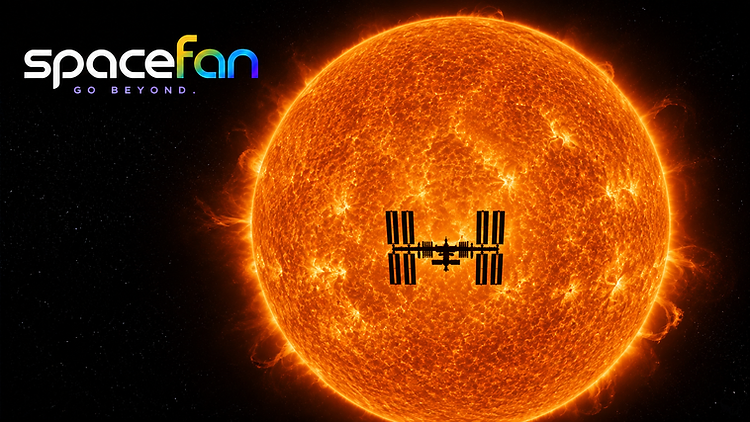
The Drop
Why It Matters
The Catch
Put That in Perspective
In the past, telescopes could not see these details because they could not separate the different types of light from the iron atoms very well. By successfully using this new high-resolution tool, researchers now have a template for studying other similar objects. They plan to use these same techniques to look at other hungry neutron stars to see if they follow the same patterns.
Keep Exploring Space


A Rare Double-Star System Found Building Its Own Planet-Making Disk
Astronomers discovered a massive pair of baby stars feeding from a shared, swirling ring of dust and gas in deep space.

Astronomers Watch a Black Hole Launch a Brand New Jet
A galaxy has suddenly shifted from quiet to powerful, letting scientists see exactly how a black hole starts shooting out a massive beam of energy.

New Clues About Strange Radio Bursts in Old Galaxies
Scientists discovered that mysterious, repeating radio signals can come from very old, quiet galaxies, not just young, active ones.

Solving the Mystery of What Heats the Sun's Outer Atmosphere
Scientists used data from a space telescope to figure out if complex magnetic energy is actually responsible for heating the Sun's corona.