
A Snapshot of Our Dynamic Planet: ESA's Weekly Space Highlights
From 3D-printed thrusters in orbit to capturing the power of a typhoon, ESA showcases the latest views from above.

The Drop
Why It Matters
Aurora Tonight
Live NOAA outlookFair aurora activity
Best odds in Alaska, northern Canada, and far-northern Europe
Aurora forecasts are probabilistic. Darkness, clouds, local light pollution, and rapidly changing solar-wind conditions affect what you can actually see.
The Catch
Put That in Perspective
Space missions have evolved from just taking pictures to actively managing the tools we need to survive in orbit. Next, researchers will continue to test how these 3D-printed parts hold up over time and look for ways to improve the image quality of our monitoring satellites.
Keep Exploring Space

Peering Beneath the Clouds of Typhoon Surigae
A powerful radar satellite captures the turbulent ocean surface hidden under a massive storm.

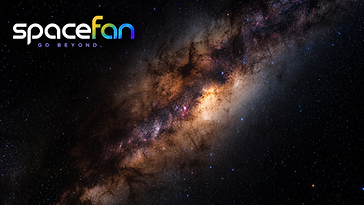
See All 313 Clouds of Star-Making Gas in One Amazing Map
A new massive space image captures the complete Sharpless Catalog, revealing hundreds of stellar nurseries across our galaxy.


A New Way to Predict Dangerous Solar Storms
Scientists have built a new catalog to better track how solar eruptions move toward Earth, helping us prepare for space weather.

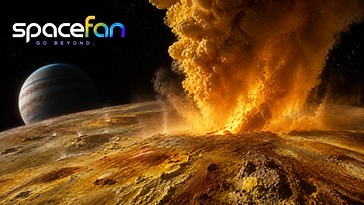
Stellar Flares Are Common on Dancing Star Pairs
New research shows that stars spinning around each other are prone to powerful bursts of energy, which could affect nearby planets.