Space.Fan — Go Beyond
ApJL · 8 DAYS AGO
DiscoveriesMODEL

New AI Tool Sharpens Images of Faraway Galaxies

By Space.Fan Editorial Desk

Scientists created a smart computer program to make blurry telescope images look as clear as if they were taken by a high-tech space telescope.
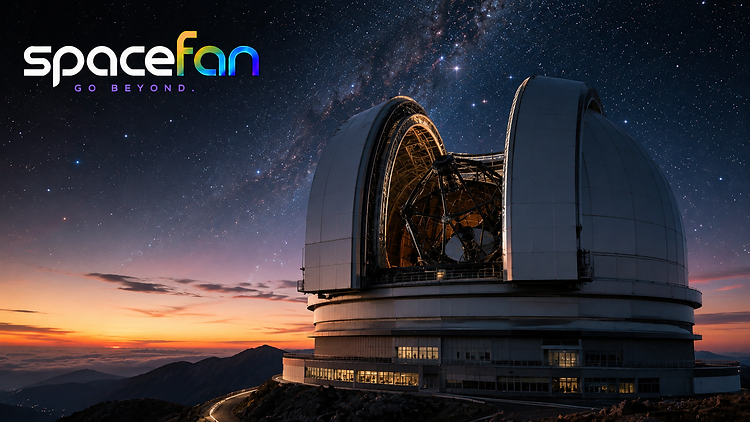
Large astronomical telescope inside an open mountain observatory dome beneath a star-filled night sky.
Image · Space.Fan

The Drop

Ground-based telescopes take pictures of the sky, but the atmosphere often makes these images blurry. Space telescopes like Euclid take much sharper pictures, but they can only see a small part of the sky at one time. This creates a problem where we have many blurry photos but very few high-quality, sharp ones to study. To solve this, researchers built a generative computer model. Think of it like a smart filter that uses what it knows about sharp space images to fill in the missing details of the blurry ground images. The team used data from a survey called DESI and taught the computer how to transform those images into something that looks like it came from the Euclid space telescope. The results were impressive. By comparing their AI-enhanced images to real space telescope photos, they found that the new images were much more accurate. They were able to measure the size and shape of galaxies with much less error than before. This process acts like a bridge, helping us get better information from the data we already have. This new set of improved galaxy images is being released for other scientists to use. It covers a large area of the sky, giving researchers a better look at how galaxies are shaped and organized across the universe.
Advertisement

Why It Matters

This technology is a big deal because it helps us see the universe more clearly without needing to build thousands of new, expensive telescopes. By making our current data better, we can study many more galaxies than we could before. This gives us a more accurate map of the universe and helps us understand how galaxies grow over billions of years. It also saves time. Instead of waiting for a space telescope to slowly scan the entire sky, scientists can use this model to improve the massive amounts of data we already have sitting on our computers. It makes scientific research faster and more precise.
Advertisement

The Catch

While the new model is very good, it is not perfect. It works well for general galaxy measurements, but it cannot fix every single detail. The AI can still struggle with the very finest structures of a galaxy that only a space telescope can truly see. It is a simulation based on patterns, so it may not perfectly represent every unique or rare galaxy in the sky.

Put That in Perspective

In the past, astronomers had to choose between looking at a huge number of galaxies with blurry tools or just a few galaxies with crystal-clear space tools. This new approach combines the best of both worlds, and researchers will now test how well these images match up with real data as more space telescope pictures are released to the public.

Source September 16, 2026
ApJL

Keep Exploring Space