
Solving the Mystery of Our Galaxy's Fastest Stars
Scientists may have discovered how our galaxy launches massive, speedy stars like cannonballs into deep space.
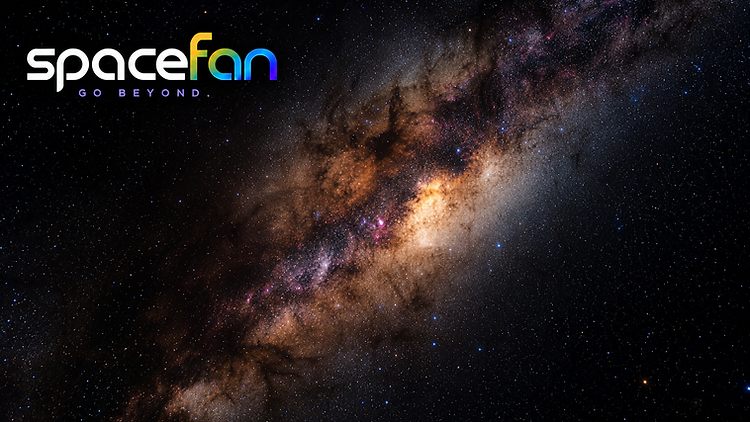
The Drop
Why It Matters
The Catch
Put That in Perspective
Scientists have tracked about twenty of these fast stars so far. By comparing this new model with the real positions of these stars, researchers hope to see if their patterns match the theory. Future telescope missions may help clarify exactly where these stars originated.
Keep Exploring Space

Massive Galaxies Have Followed the Same Rules for Billions of Years
A deep look into the distant past shows that giant galaxies grew up much like the ones we see in our neighborhood today.

Astronomers Map the 3D History of a Busy Star Nursery
Scientists have created the first 3D map of the Sh 2-205 star-forming region to reveal how stars are born in bursts.

New AI Tool Speeds Up Exoplanet Atmosphere Research
Scientists have created a new computer tool that helps us study distant planet atmospheres faster than ever before.
Hidden Water Signals Reveal Stars Being Born
Scientists have detected special water signals in dark space clouds, proving that new stars are forming in places we could not see before.