Advertisement
Space.Fan — Go Beyond
ApJ · 3 DAYS AGO
UniverseSIMULATION

Solving the Puzzle of Cosmic Fog After the Big Bang

By Space.Fan Editorial Desk

Scientists are using powerful computer models to map how the early universe lit up for the first time.
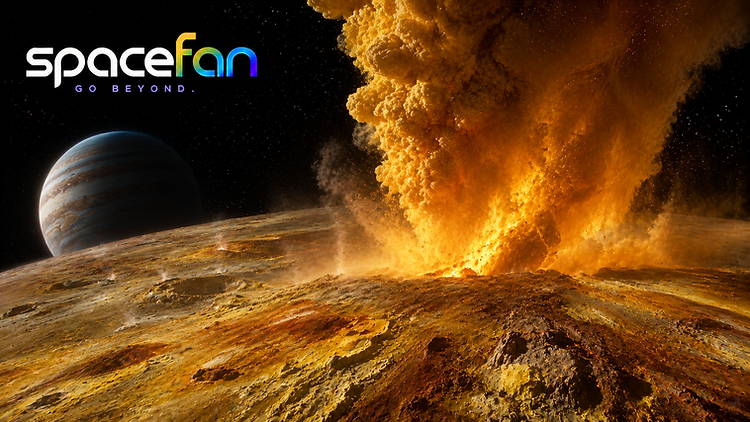
Huge volcanic eruption on the orange surface of Io with Jupiter visible in space behind it.
Image · Space.Fan

The Drop

Long ago, the universe was filled with a thick, dark fog of gas. As the first s began to shine, they burned through this fog, clearing it away in a process called reionization. To understand how this happened, scientists need to know how clumps of gas behaved. If the gas was very clumpy, it would be harder for light to push through. If it was smooth, the light could travel much faster. By using a sophisticated computer program called Gamer-2, researchers simulated large sections of space to see how this gas truly acted. This tool allowed them to test different amounts of light and energy to see how they changed the landscape of the early universe. The team discovered that even when they changed how they measured the gas, the results stayed very similar. They found a consistent clumping factor of about 3. This means our current ideas about how the early universe cleared up are likely on the right track, even when accounting for the messy details of gas density.
Advertisement

Why It Matters

Knowing the clumping factor helps astronomers write better equations for how the universe evolved. It acts as a guide for understanding how light interacted with matter in the infant universe. This study confirms that previous calculations were solid, even when considering complicated factors like energy from exploding s called e.
Advertisement

The Catch

While these computer models are very advanced, they are still just simulations. They reflect the best math we have, but they cannot perfectly capture every single detail of the real universe. Because we cannot travel back to that time, we rely on these models to bridge the gap between theories and what we see through our telescopes today.

Put That in Perspective

This work is part of a larger effort to map the first billion years of our universe. By testing if supernova explosions change the global look of the gas, researchers are slowly building a more complete picture of how the first galaxies were born.

Source September 22, 2026
ApJ

Keep Exploring Space