Advertisement
Space.Fan — Go Beyond
Nature Astronomy · 2 DAYS AGO
Solar SystemPEER REVIEWED

Space Dust Sorting Built the Early Solar System

By Space.Fan Editorial Desk

Scientists found that 'aerodynamic sorting' shaped the building blocks of our early solar system through a cosmic game of dust particle sizing.
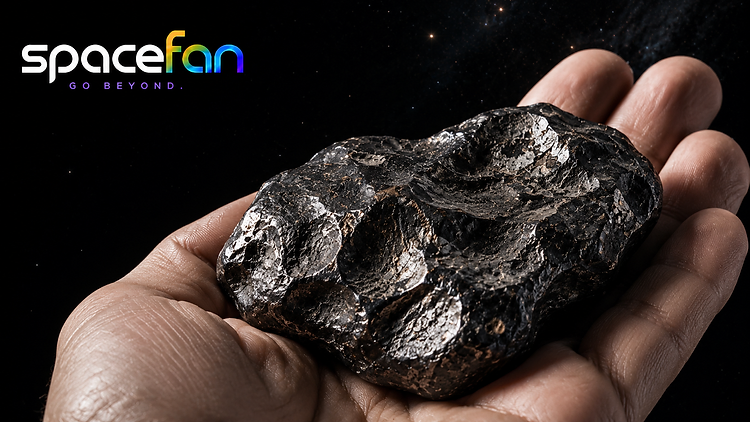
Dark metallic-looking meteorite resting in the palm of a person's hand.
Image · Space.Fan

The Drop

When our solar system was very young, it was filled with a swirling disk of gas and dust. Scientists have long wondered how this dust clumped together to form the first space rocks, known as esimals. A new study suggests these rocks were sorted by their size and weight through a process called aerodynamic sorting. This process acted like a giant space sieve, separating different types of materials as they swirled around the young Sun. To figure this out, researchers studied the chemical makeup of ancient iron meteorites. These rocks are remnants from the very beginning of the solar system. By looking at the levels of sulfur and the state of iron in these space rocks, the team could calculate how much 'matrix'—the fine-grained material filling the space between larger particles—was present. They found that the earliest rocks contained much less of this fine dust than later rocks. This pattern shows that as time passed, the way materials were sorted by the gas in the disk changed, directly affecting what these building blocks were made of. This suggests that the process of forming small round grains called chondrules was happening everywhere in the solar system, right from the t.
Advertisement

Why It Matters

This discovery confirms that the early solar system was a highly organized environment rather than a chaotic mess. By proving that aerodynamic sorting was a fundamental rule from the very beginning, scientists can now better predict what space rocks are made of based on when they formed. It solves a piece of the puzzle regarding how volatile elements—like water and ice—were distributed across the newborn solar system, which ultimately determined which s would become rocky or icy.
Advertisement

The Catch

While the evidence is strong, this study relies on chemical proxies from ancient iron meteorites. Because these are very old, their chemical makeup could have been altered by intense heat or pressure over billions of years. Researchers have to make careful assumptions to 'read' the history of these rocks, meaning the exact percentages of matrix material are estimates based on scientific models rather than direct observation of the process itself.

Put That in Perspective

Scientists have previously observed this sorting in younger rocks, but this study pushes the timeline back to the very first moments after the Sun was born. By comparing these ancient iron meteorites to slightly younger chondrite meteorites, the researchers have built a timeline that spans the first few million years of solar history, providing a clearer look at our solar system's infancy.

Source September 23, 2026
Damanveer S. Grewal, Zhongtian Zhang, Joanna Drazkowska
Rice University·Nature Astronomy

Keep Exploring Space