
Webb Telescope Captures New Details of an Exploded Star
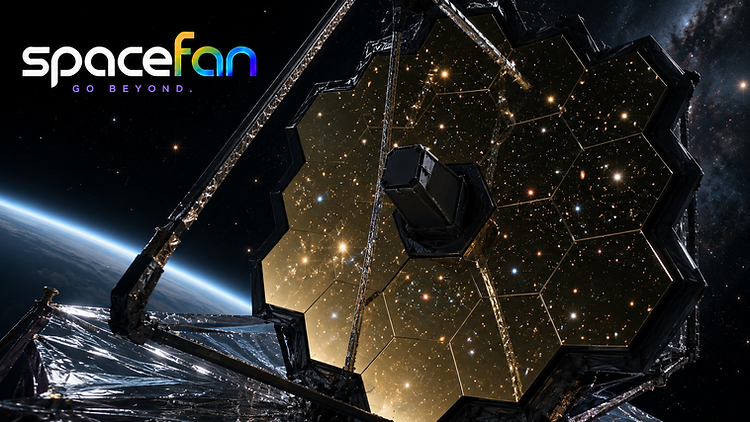
A powerful space telescope just revealed hidden dust clouds left behind by a massive star that blew up long ago.
The Drop
Why It Matters
The Catch
Put That in Perspective
Cas A is located about 11,000 light-years away from Earth. This remnant has been studied by many telescopes over the years, including Hubble and Spitzer. Each new mission adds a layer of detail, helping researchers build a better 3D picture of how massive stars contribute to the life cycle of the universe.
Keep Exploring Space

Scientists Measure Star Birth in Tiny, Gas-Rich Galaxies
Researchers looked at a special group of tiny galaxies to learn how they grow and create new stars.

Astronomers Map Hidden Chaos at the Milky Way's Center
Scientists used a powerful telescope to find hundreds of high-speed gas clouds hidden in the heart of our galaxy.

NASA Plans New Nuclear-Powered Spacecraft for Deep Space
NASA has finalized the design for a new spacecraft that will use nuclear power to travel further into our solar system.

Webb Telescope Finds Ancient Tiny Red Dot From Early Universe
Astronomers discovered an incredibly distant, compact galaxy containing a rapidly growing black hole from the very dawn of time.