
A Dead Star Is Flashing Radio Waves Like A Clock
Astronomers found a mysterious star system that sends out radio pulses every eight minutes, and it is not what they expected.

The Drop
Why It Matters
The Catch
Put That in Perspective
Scientists are now comparing this discovery to earlier findings to see if there is a larger trend. Because the radio waves arrive a few seconds early or late depending on where the stars are in their path, researchers can calculate the size of their orbit. Future tests will likely focus on watching these stars over a longer period to see if the pulsing behavior changes over time.
Keep Exploring Space


Scientists Watch Metal Vapor Escape From a Giant Hot Planet
Researchers have discovered that the ultra-hot planet WASP-76b is losing its atmosphere by shedding magnesium into space.


A Smarter Way to Hunt for Planets Around Distant Stars
Scientists have created a new computer tool that cleans up messy star data to find tiny hidden planets more easily.

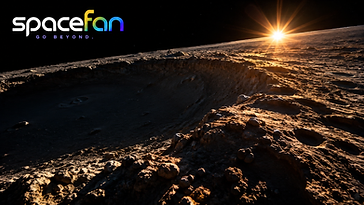
Moon Craters Are Shallower in Its Darkest Corners
New high-resolution images show that small craters in the Moon's cold, shadowed regions are shaped differently than those in sunny areas.


Protecting Worlds: How We Keep Space Clean
As space travel grows, scientists are updating rules to keep our planet safe and protect other worlds from Earth's hitchhiking germs.