
Advertisement
Space.Fan — Go Beyond
Nature Astronomy · 13 MIN AGO
Solar SystemAGENCY CONFIRMED

Protecting Worlds: How We Keep Space Clean

By Space.Fan Editorial Desk

As space travel grows, scientists are updating rules to keep our planet safe and protect other worlds from Earth's hitchhiking germs.
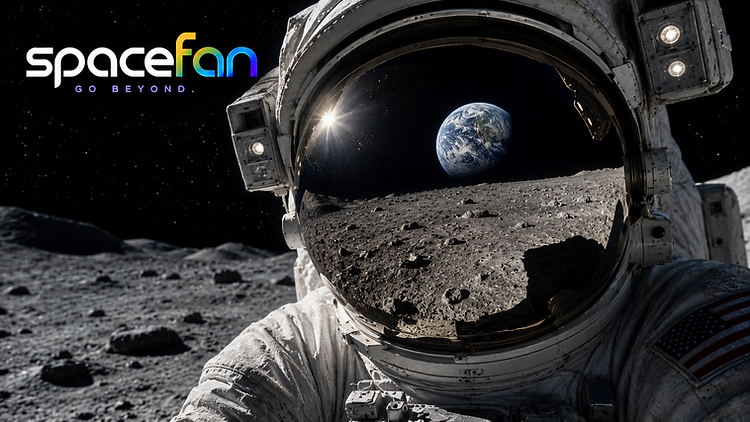
An astronaut standing on the surface of the Moon.
Image · Space.Fan

The Drop

Space exploration is booming, but it comes with a messy problem: germs. Every time we send a robot or human to another , we risk bringing Earth's tiny life forms with us. We also worry about the opposite—bringing something unknown back to Earth. To handle this, experts follow a set of strict rules called ary protection. These rules guide how we clean spacecraft to make sure we do not accidentally spread life where it does not belong. The goal is to keep space clean so that when we hunt for life, we know what we find actually came from that place, not from a laboratory on Earth. Scientists group missions into different categories based on where they are going and how likely they are to carry life. For example, a mission landing on a that might have an ocean needs much stricter cleaning than a quick flyby of a dry . These rules have been around since the late 1960s, but they are constantly changing. Just this year, experts updated the guidelines to better handle missions visiting icy worlds across our solar system. Keeping our space missions clean is a difficult balancing act. As more private companies t building their own rockets, it is becoming harder to make sure everyone follows the same safety steps. We already had one incident in 2019 where a private lander crashed on the and accidentally dropped tiny, hardy creatures called tardigrades on the lunar surface. While this did not break any laws, it showed that our rules need to grow along with the new space industry.
Advertisement

Why It Matters

If we want to know if there is life elsewhere, we must be sure that what we find is truly alien. If we accidentally dump Earth bacteria on a far-off , it could grow and destroy the native environment. This would make it impossible to know if the life we discover is local or just a visitor from our home . By following these international rules, we protect the scientific integrity of our future missions.
Advertisement

The Catch

The biggest challenge is that these rules rely on international agreements rather than one single law. As more countries and private businesses launch their own space missions, it is difficult to force everyone to follow the same strict cleaning standards. Even if missions follow the rules, accidents like crashes can still happen, meaning our impact on other worlds is often hard to fully control.

Put That in Perspective

Planetary protection began way back in 1958 when global experts first realized we needed a plan for space travel. Today, this work is more important than ever because we are planning more complex missions, such as bringing rock samples back to Earth. The next steps will involve finding better ways to hold private companies accountable to these same high standards of cleanliness.

Source November 22, 2026
COSPAR·Nature Astronomy·10.1038/s41550-026-02434-2

Keep Exploring Space


