
A Galaxy With Two Spinning Hearts
Astronomers found a unique galaxy where two layers of stars spin in opposite directions.
The Drop
Why It Matters
The Catch
Put That in Perspective
Astronomers are using these findings to build better computer models of how galaxies interact with their environments. Future research will likely focus on finding other galaxies that show these same signs of recent gas gathering to see if this process happens in different types of galaxy shapes.
Keep Exploring Space

New Data Challenges Idea of a Giant Black Hole in an Early Galaxy
Scientists took a closer look at a distant galaxy called UHZ1 and found that its famous supermassive black hole might not exist after all.

Supercomputer Models Reveal How Massive Stars Die in Violent Explosions
Scientists created a new library of digital stars to help us understand how some of the most powerful explosions in the universe occur.
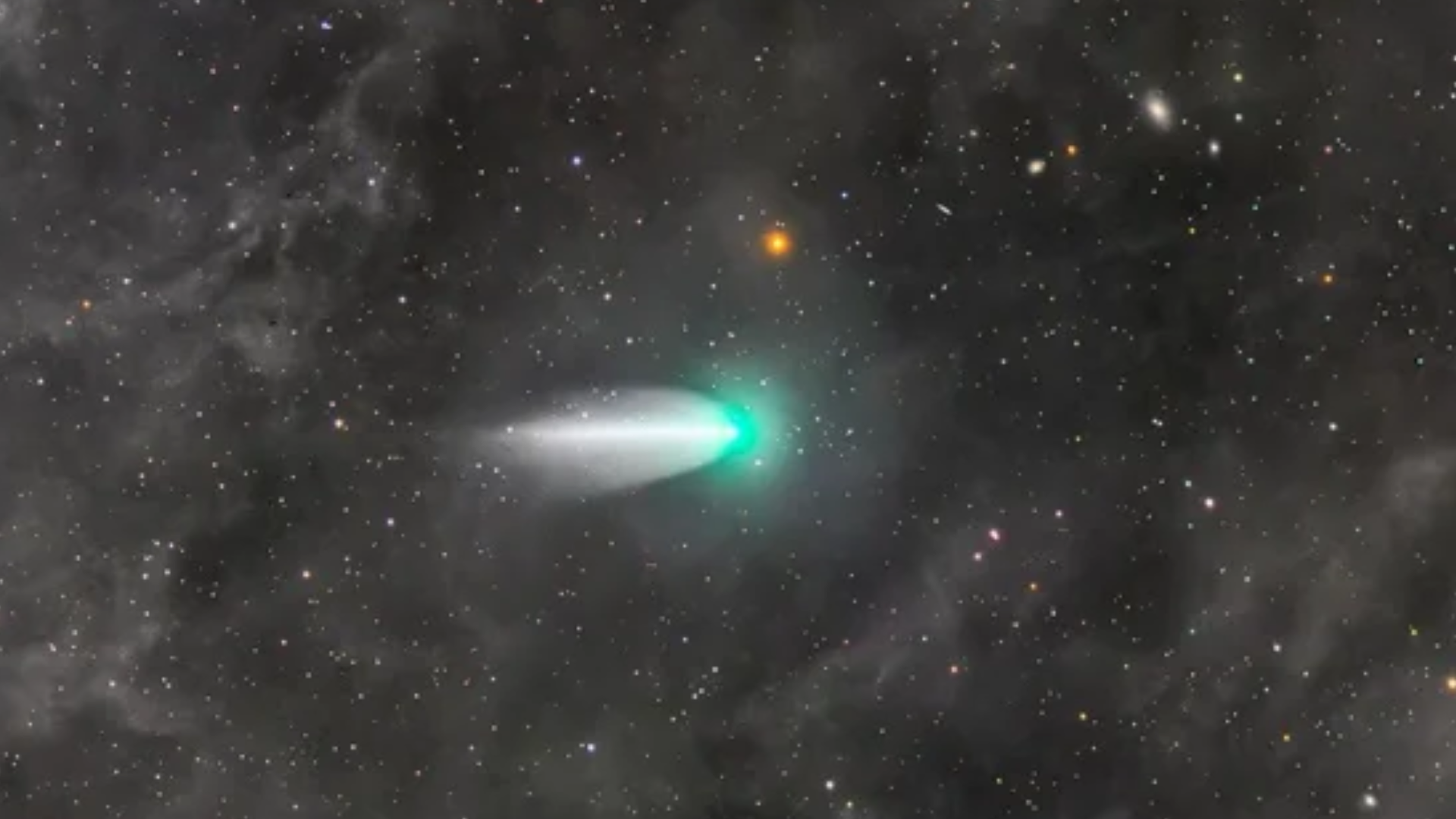
A Comet Suddenly Shattered and Became Thousands of Times Brighter
A mysterious space rock named 220P/McNaught blew itself apart this summer, causing a sudden and massive display of light.

Astronomers Find a Star Nursery Growing Up at Different Speeds
A single clump of space gas is hiding three baby stars at very different stages of their development.