
A Giant Eye in the Sahara Desert Spotted From Space
Astronauts on the International Space Station captured a stunning view of a massive, ancient geological structure in Mauritania.
The Drop
Why It Matters
The Catch
Put That in Perspective
The Eye of the Sahara is so large that it was once used as a landmark for early space missions to help crews orient themselves. Seeing it from the space station today continues a long history of using orbital photography to better map and appreciate Earth's unique geology.
Keep Exploring Space

A New Look at the Galactic Bar of NGC 4394
The Hubble Space Telescope has captured a stunning new image of a galaxy with a glowing, bar-shaped center.
Galaxies Battle in the NGC 7771 Group
A group of galaxies is pulling on one another, creating a messy and beautiful dance across deep space.
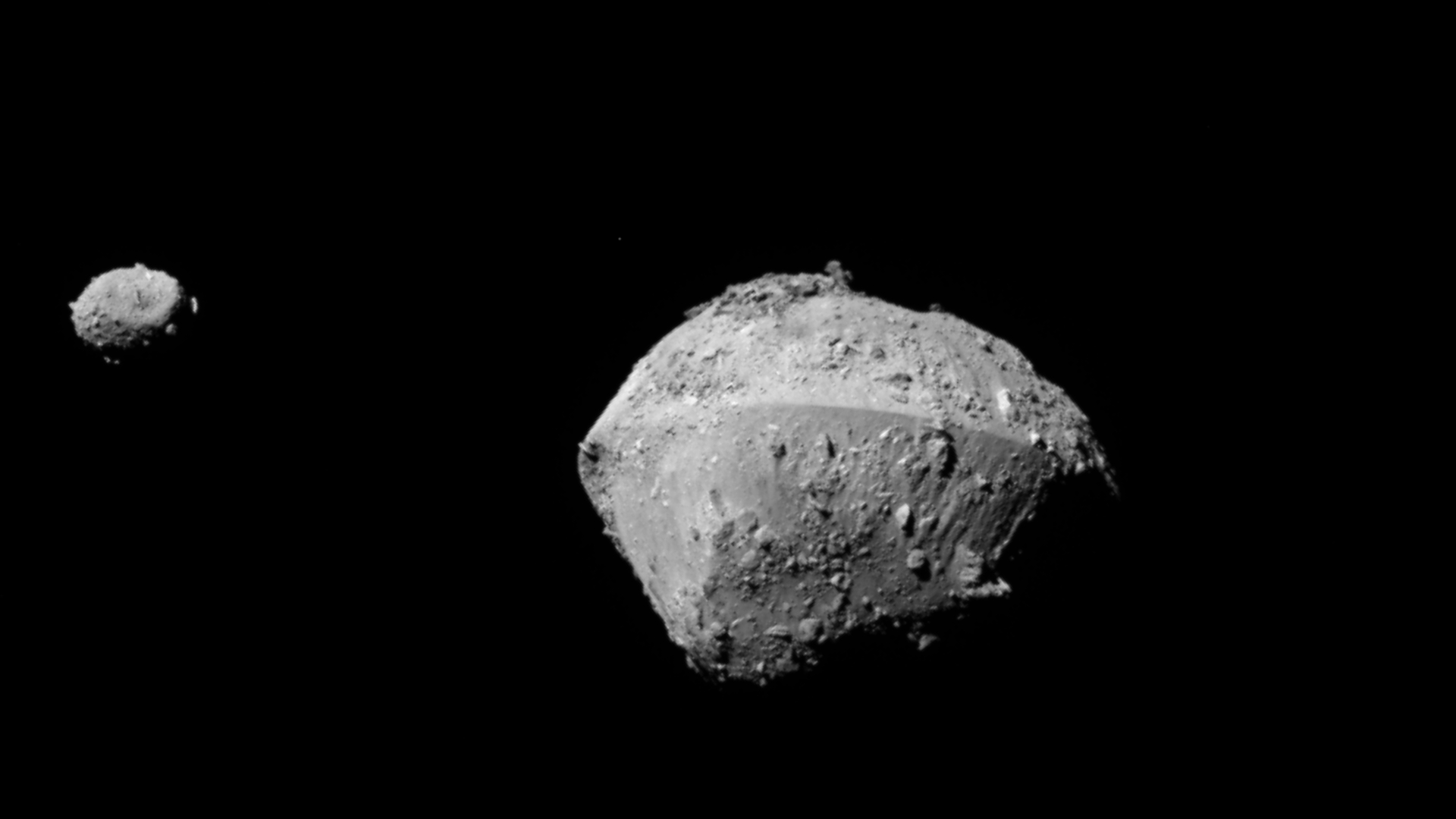
Hera Spacecraft Sees Massive Crater Left by DART Mission
The Hera mission has sent back the first clear images of the stadium-sized dent caused by humanity's test to move an asteroid.
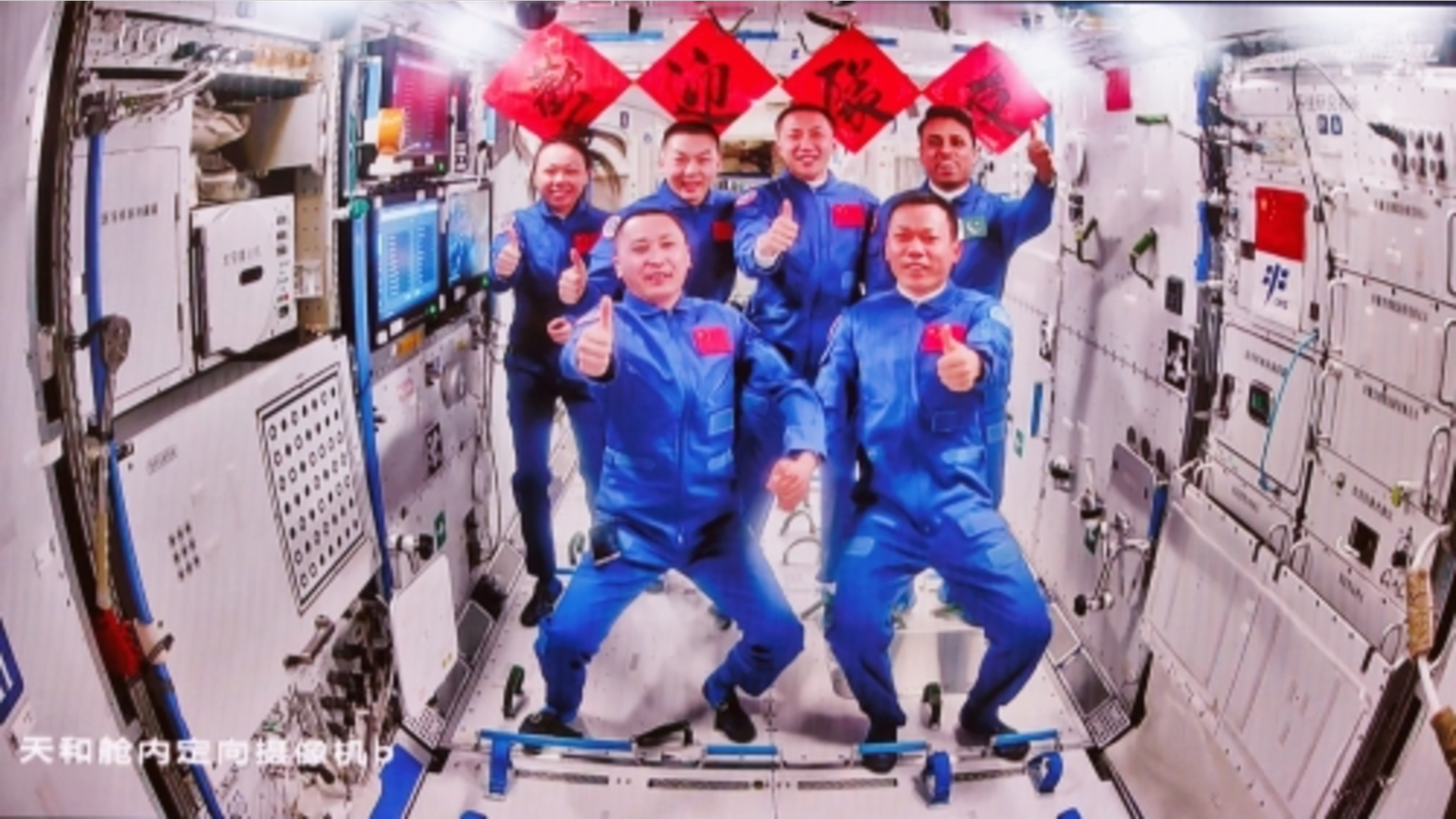
A New Chapter for China's Space Station
Muhammad Zeeshan Ali makes history as the first international astronaut to visit China's Tiangong space station.