
Galaxies Battle in the NGC 7771 Group
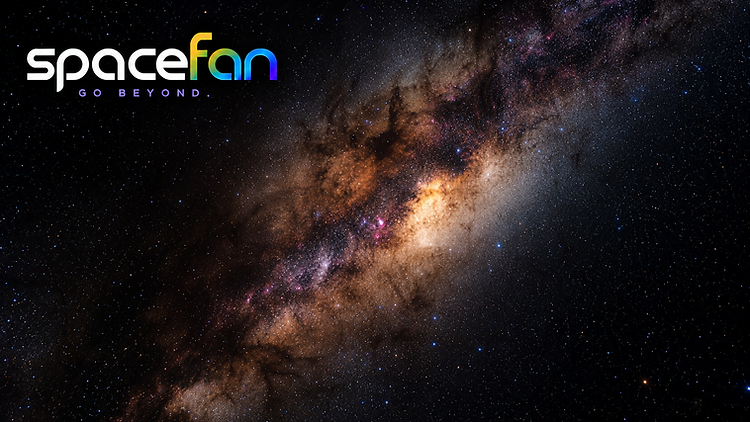
A group of galaxies is pulling on one another, creating a messy and beautiful dance across deep space.
The Drop
Why It Matters
The Catch
Put That in Perspective
Galaxies are often pictured as isolated islands in space, but most are actually part of a local crowd. NGC 7771 is a great example of the 'social' nature of galaxies. Future studies will likely look at how much gas is being used to make new stars during these interactions.
Keep Exploring Space

A Peek into Lynds 1251: Exploring a Dark Space Cloud
Astronomers reveal a beautiful, dusty cloud where new stars are getting ready to shine.

A Stunning New Look at the Horsehead and Flame Nebulas
A famous pair of space clouds is captured in a new, detailed image showing how stars are born.


Astronomers Find Possible Traces of Iron Sulfide Gas in Space
Scientists have tentatively spotted a gas containing iron and sulfur in a giant star-forming region, potentially revealing a key piece of life's puzzle.


AI Helps Scientists Spot Hidden Planets by Their Timing
Researchers are using a new artificial intelligence tool to detect invisible companion planets by watching how they pull on their neighbors.