
Hera Spacecraft Sees Massive Crater Left by DART Mission
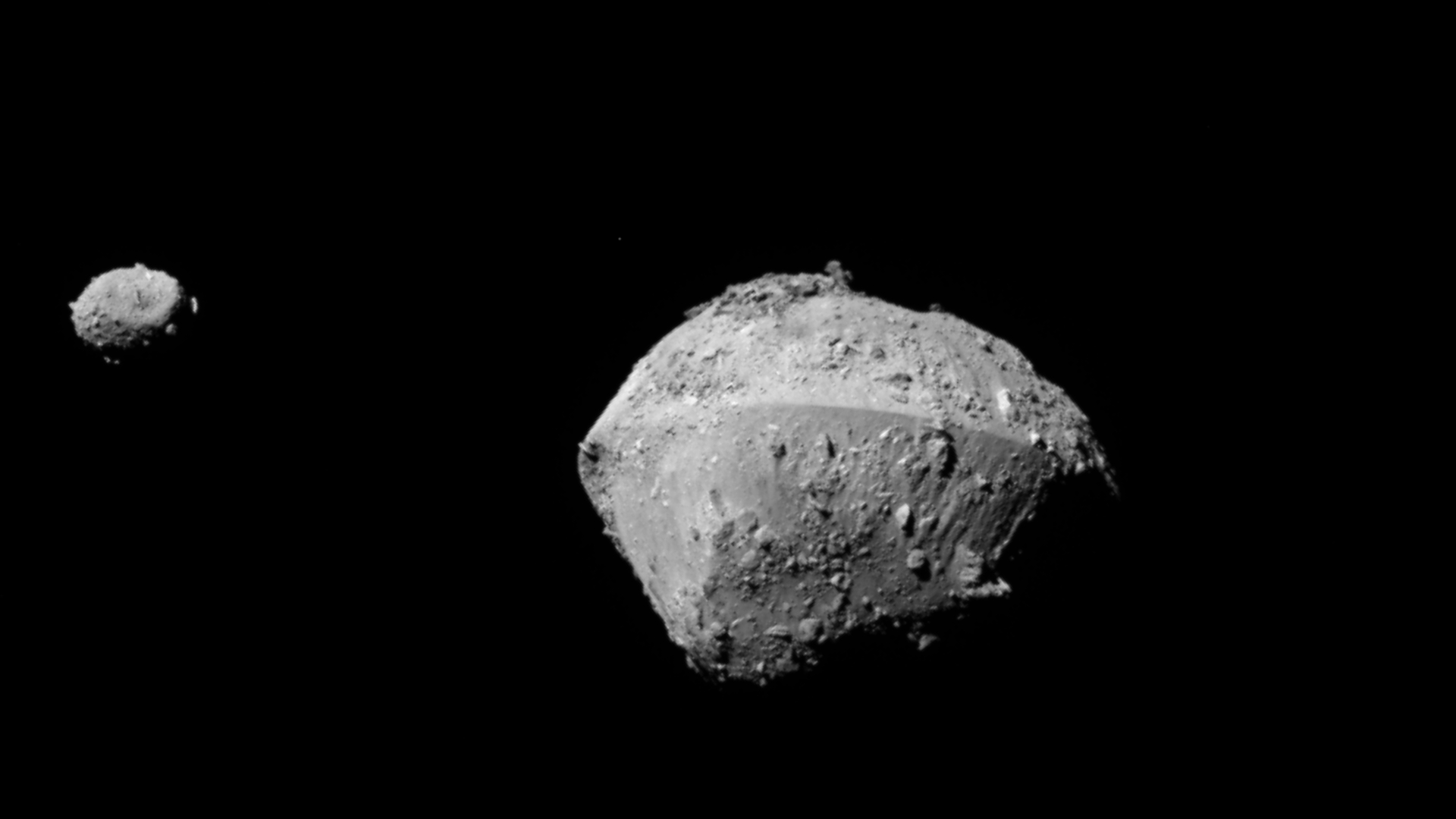
The Hera mission has sent back the first clear images of the stadium-sized dent caused by humanity's test to move an asteroid.
The Drop
Why It Matters
The Catch
Put That in Perspective
This is the first time humans have been able to inspect a human-made crater on an asteroid in person. It serves as a follow-up to the initial 2022 impact, allowing scientists to piece together the full history of the collision.
Keep Exploring Space
Hera Probe Captures First Close-Up Look at Asteroid Dimorphos
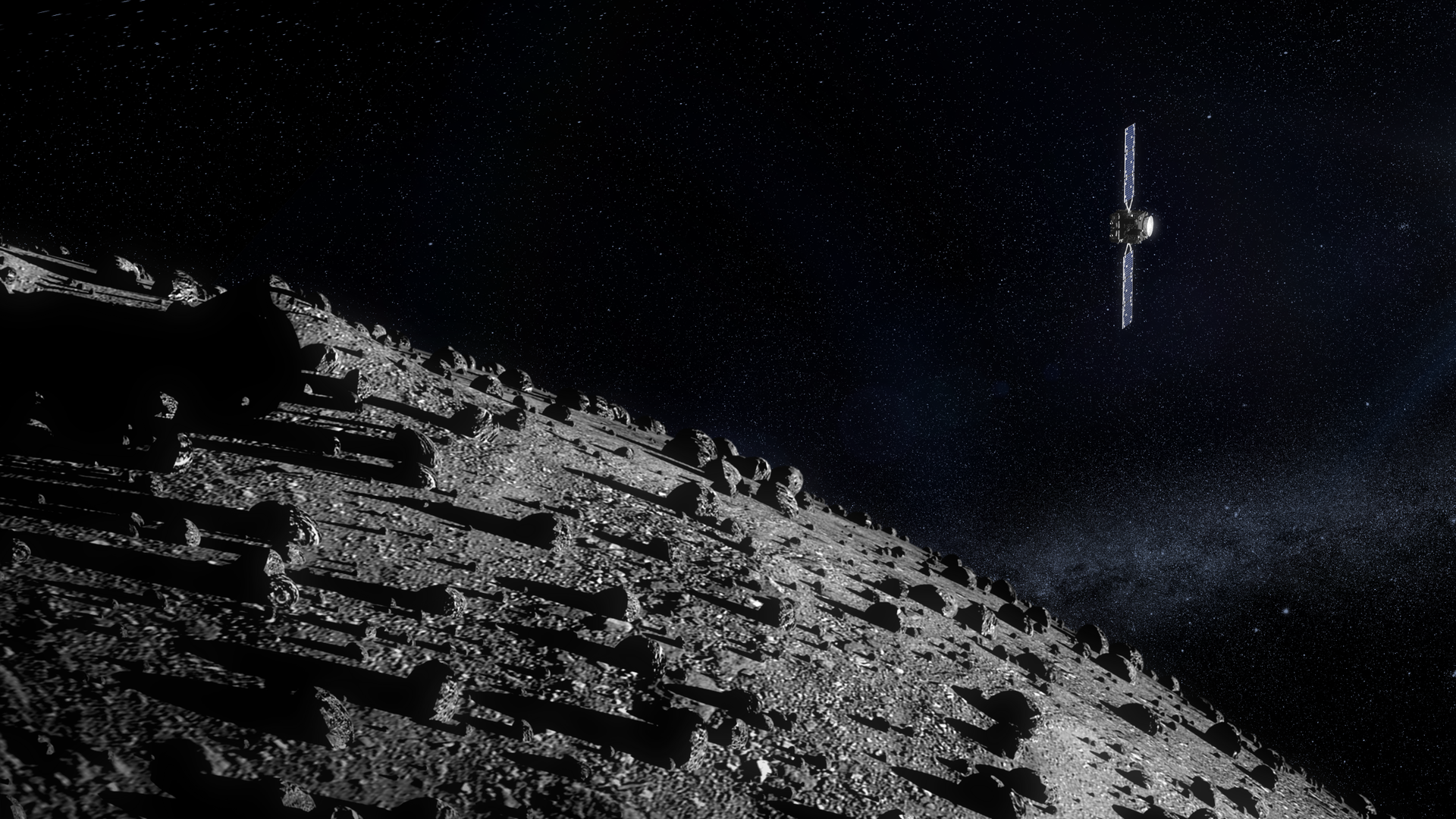
The European Space Agency's Hera mission has finally arrived at the asteroid site where NASA previously crashed a spacecraft.


Asteroid Bennu Holds Key Nitrogen Building Blocks
Scientists have confirmed that samples from asteroid Bennu contain nitrogen-rich materials that could help explain how life began on Earth.

A Giant Eye in the Sahara Desert Spotted From Space
Astronauts on the International Space Station captured a stunning view of a massive, ancient geological structure in Mauritania.
A New Chapter for China's Space Station
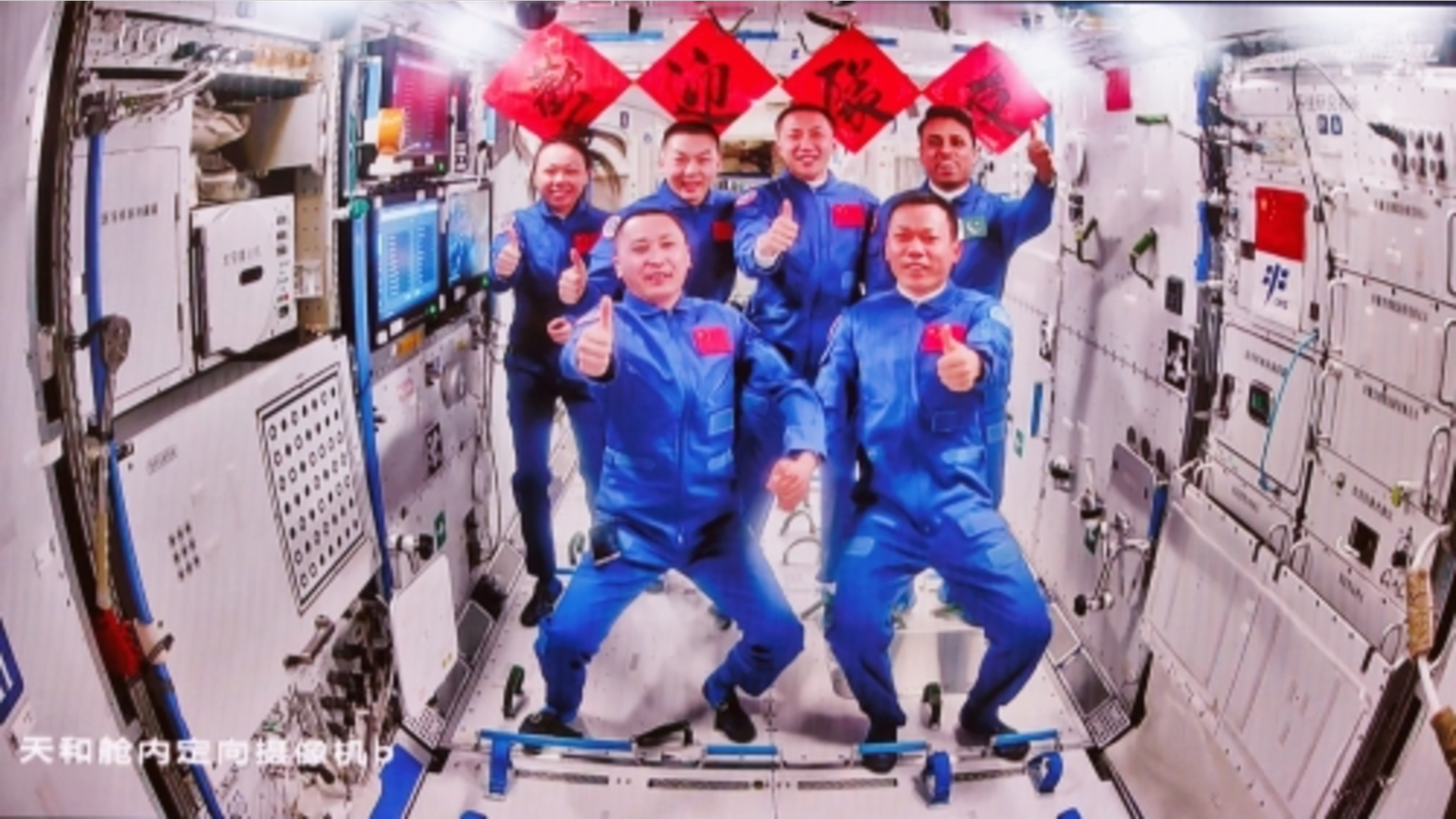
Muhammad Zeeshan Ali makes history as the first international astronaut to visit China's Tiangong space station.