
A Peek into Lynds 1251: Exploring a Dark Space Cloud
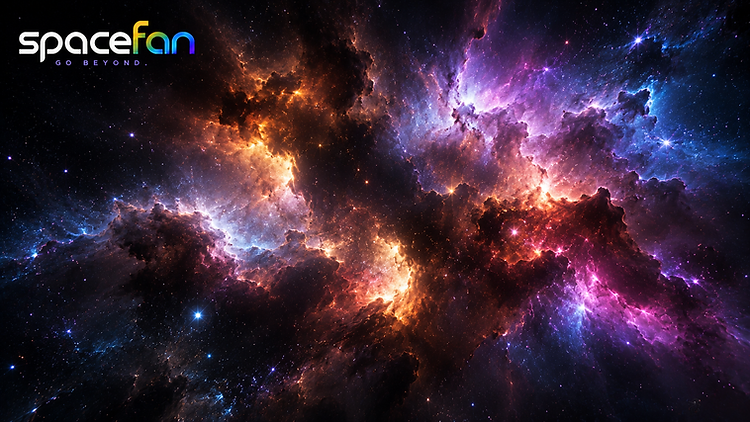
Astronomers reveal a beautiful, dusty cloud where new stars are getting ready to shine.
The Drop
Why It Matters
The Catch
Put That in Perspective
Lynds 1251 is part of a larger, nearby complex of clouds that astronomers have studied for years to learn about the star-forming history of our local neighborhood in the galaxy. Future space telescopes will likely use infrared cameras to look even deeper into these dark clouds to find even smaller stars that are hidden from view today.
Keep Exploring Space

A Stunning New Look at the Horsehead and Flame Nebulas
A famous pair of space clouds is captured in a new, detailed image showing how stars are born.

James Webb Telescope Reveals Hidden Star-Making Jets in NGC 7129
A stunning new image shows how young, hidden stars blast powerful jets into space to clear away their dusty cocoons.


Preparing to See the Secret Lights of Deep Space Black Holes
New research targets future space missions that will reveal the hidden energy inside massive black hole jets.


Scientists Discover How Hot and Cold Gas Mix in Space
New simulations show that a mysterious process called charge exchange helps reveal the hidden edges where hot and cold gases meet in space.