
Are Small Stars Too Rough for Their Planets?
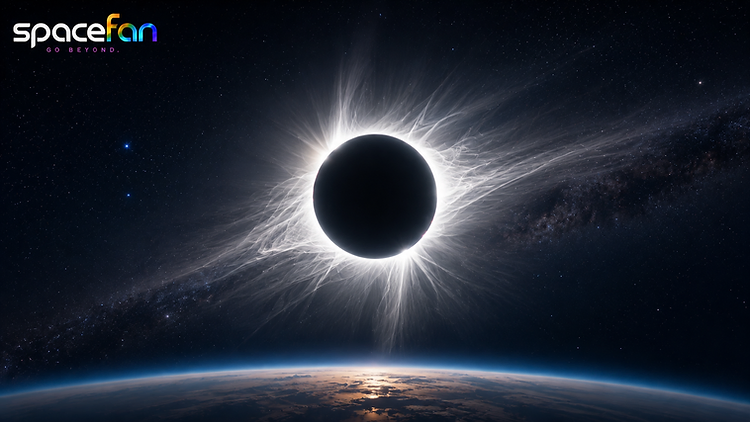
New research shows that small, dim stars blast their planets with intense radiation that could make finding life much harder.
The Drop
Why It Matters
The Catch
Put That in Perspective
Scientists have known for a long time that stars change as they grow, but this study gives us a clearer picture of the difference between big and small stars. Future missions will likely keep looking at these small stars to see if any planets have managed to keep their air despite the harsh conditions.
Keep Exploring Space


Mars May Have Once Been a Hotspot for Building Blocks of Life
New climate modeling shows that ancient Mars had rain patterns that likely gathered ingredients needed to create sugars.

A Star's Age Changes How We Hunt for Life on Other Planets
A star's UV light can hide or reveal signs of life, meaning we must consider a star's age when studying far-off worlds.

Solving the Mystery of Titan's Sticky Haze
Scientists have uncovered how the mysterious orange haze on Saturn's moon Titan behaves and why it falls into the moon's liquid lakes.

Updating the Recipe for Kilonovae Explosions
Scientists have improved the atomic data models used to study the bright, metallic light shows caused by colliding neutron stars.