
Distinguishing Life from Non-Life in Space
Scientists are working on new ways to tell the difference between natural space chemistry and the signs of living things.

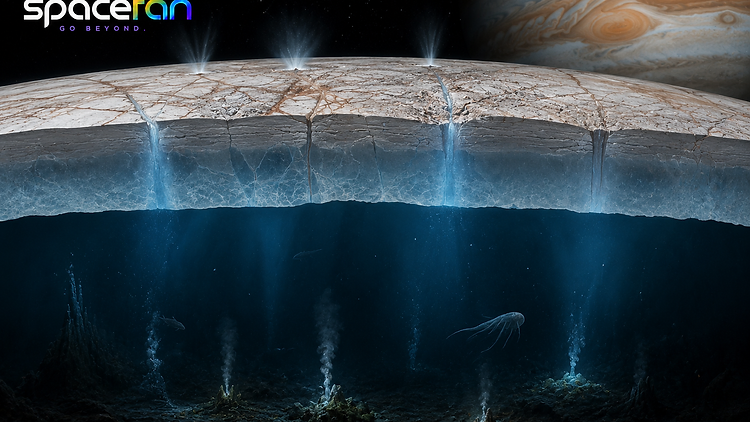
The Drop
Why It Matters
The Catch
Put That in Perspective
Scientists have spent decades debating how to detect life in the cosmos. This meeting represents a current shift toward better understanding our own natural universe before claiming we have found neighbors elsewhere.
Keep Exploring Space


A Look at Diversity in the Search for Life Beyond Earth
A new study looks at who is helping explore the universe to see if the scientific community is truly open to everyone.

Can Building Blocks for Life Survive Harsh Space Radiation?
Scientists tested how a special chemical related to energy production holds up against the intense UV light found on Mars.

A Visitor From Far Away Holds Secrets to Its Birth
Scientists used the James Webb Space Telescope to find that a mysterious object from outside our solar system formed in a very special place.

Solving the Puzzle of Cosmic Fog After the Big Bang
Scientists are using powerful computer models to map how the early universe lit up for the first time.