
How Galaxies Feed Their Giant Black Holes
Scientists found that a galaxy's neighborhood decides whether its central black hole grows through steady meals or wild growth spurts.

The Drop
Why It Matters
The Catch
Put That in Perspective
Scientists have spent decades debating if black hole growth is driven by internal galaxy features or external forces. This study acts as a bridge, showing that it is actually both, depending on the environment. Future studies will likely look at real data from deep-space telescopes to see if they can spot these exact patterns of bar formation in galaxies far away.
Keep Exploring Space

New Data Challenges Idea of a Giant Black Hole in an Early Galaxy
Scientists took a closer look at a distant galaxy called UHZ1 and found that its famous supermassive black hole might not exist after all.

Supercomputer Models Reveal How Massive Stars Die in Violent Explosions
Scientists created a new library of digital stars to help us understand how some of the most powerful explosions in the universe occur.
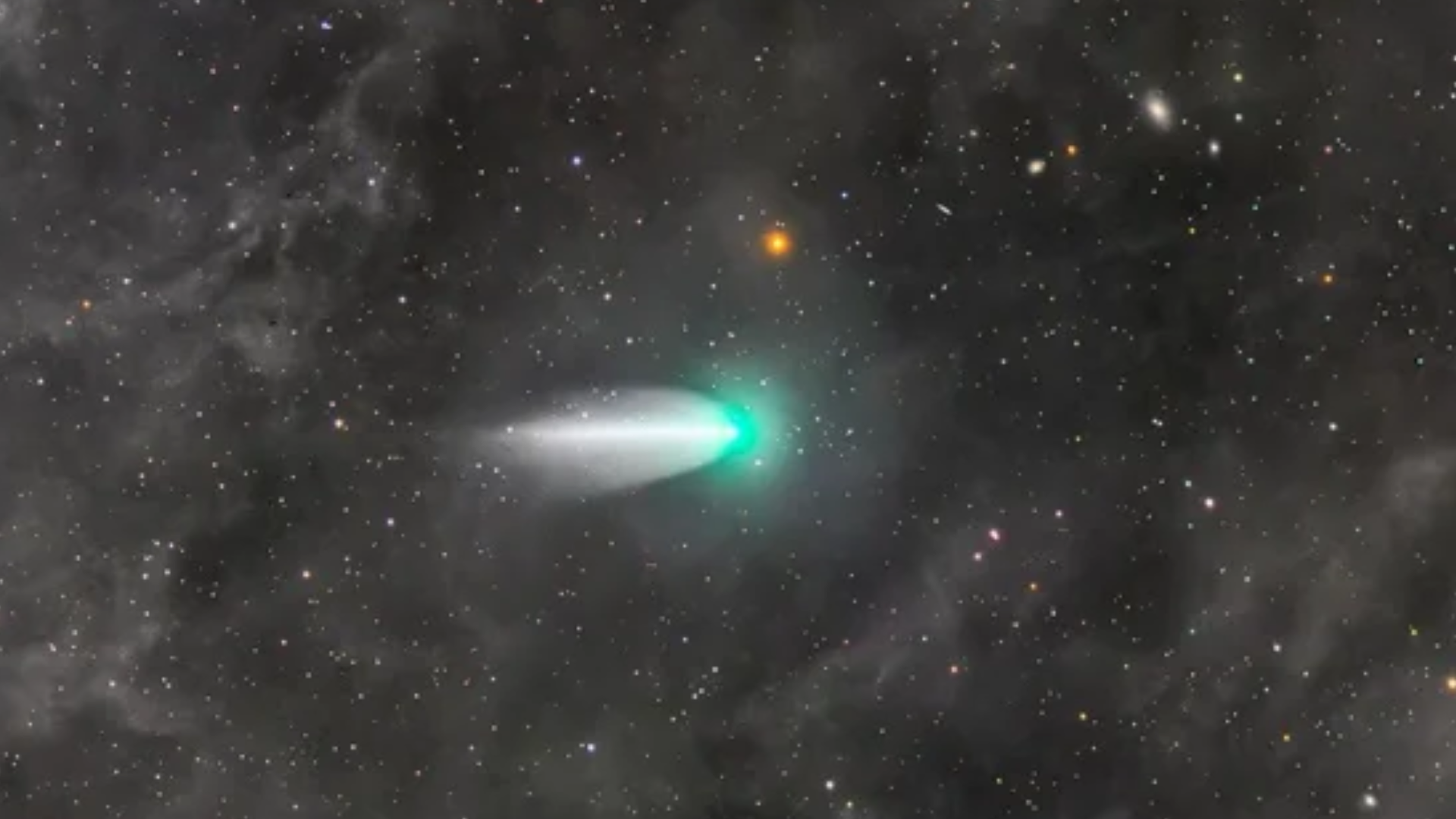
A Comet Suddenly Shattered and Became Thousands of Times Brighter
A mysterious space rock named 220P/McNaught blew itself apart this summer, causing a sudden and massive display of light.

Astronomers Find a Star Nursery Growing Up at Different Speeds
A single clump of space gas is hiding three baby stars at very different stages of their development.