
Mapping the Invisible 'MeV Gap' of High-Energy Space
Scientists have unveiled a massive new map of space light, helping us see hidden energy signals that were previously almost impossible to detect.
The Drop
Why It Matters
The Catch
Put That in Perspective
This catalog is a major upgrade from earlier efforts. Before this, identifying sources at these specific energies was much harder and less accurate. Now that this foundation is set, researchers can focus on looking at these 60 brand new, mysterious sources to see if they are common types of objects we just haven't seen before or something entirely new.
Keep Exploring Space

Galaxies Move in Mysterious Ways
Astronomers found that large groups of galaxies are moving a little differently than our best theories predicted.

Why Scientists Are Seeing Double When Looking at the Early Universe
A clever math problem is causing confusion about how the first galaxies grew, but experts think they have finally found the hidden reason why.

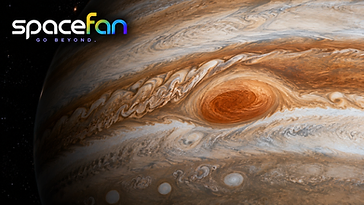
Jupiter's Colorful Swirls Revealed in New Juno Mission Image
A stunning new photo from the Juno spacecraft captures the beautiful and complex patterns in the clouds of our solar system's largest planet.


Scientists Watch Metal Vapor Escape From a Giant Hot Planet
Researchers have discovered that the ultra-hot planet WASP-76b is losing its atmosphere by shedding magnesium into space.