
Jupiter's Colorful Swirls Revealed in New Juno Mission Image
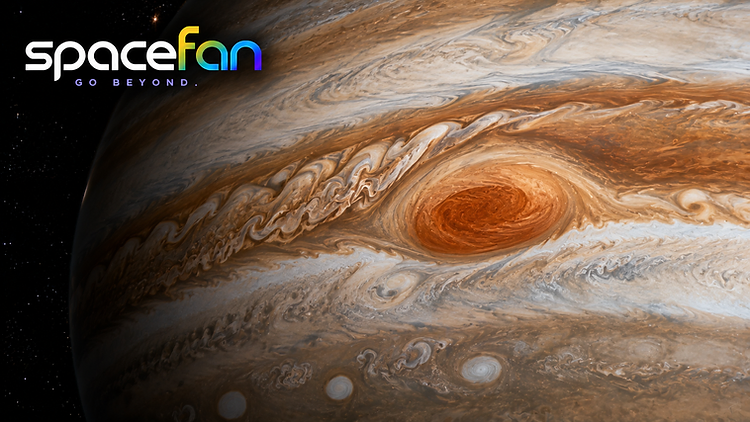
A stunning new photo from the Juno spacecraft captures the beautiful and complex patterns in the clouds of our solar system's largest planet.
The Drop
Why It Matters
The Catch
Put That in Perspective
The Juno mission has been orbiting Jupiter for several years now. Each pass allows scientists to compare current weather patterns to older photos, helping them see how the planet's face changes over time.
Keep Exploring Space


Moon Craters Are Shallower in Its Darkest Corners
New high-resolution images show that small craters in the Moon's cold, shadowed regions are shaped differently than those in sunny areas.


Protecting Worlds: How We Keep Space Clean
As space travel grows, scientists are updating rules to keep our planet safe and protect other worlds from Earth's hitchhiking germs.


New Computer Model Captures the Violent Death of a Star
Researchers created a new way to simulate how a black hole tears a star apart and eats the pieces.


AI Helps Scientists Predict Powerful Solar Storms Before They Happen
Researchers used a new computer program to find clues on the Sun that show when a massive solar storm is about to blast toward Earth.