
Tiny Storms Keep a Young Star Glowing in Radio Light
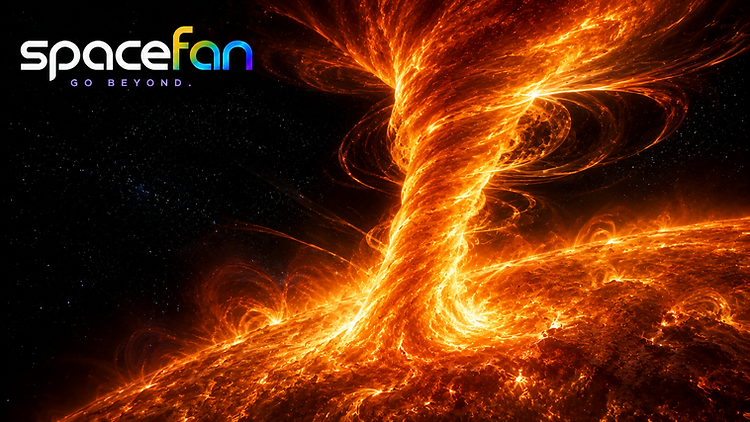
Scientists found that constant, miniature star flares are likely what power the steady radio glow of the active star AU Mic.
The Drop
Why It Matters
The Catch
Put That in Perspective
AU Mic is only about 22 million years old, making it an infant compared to our 4.6-billion-year-old sun. Comparing the two helps astronomers understand how our own sun might have acted when it was much younger and more energetic.
Keep Exploring Space

A New AI Tool Predicts Space Radiation Hazards Up to 2031
Researchers have built a smart computer model that uses solar data to forecast dangerous cosmic rays that could affect astronauts and satellites.

Observing Coronal Rain on the Sun
Scientists watched cool plasma clouds form and fall back toward the surface of the Sun after two magnetic regions merged.

How Newborn Neutron Stars Launch Massive Space Jets
Super-powered magnetic stars may launch the fastest beams in the universe right after they are born.

New Software Makes Space Simulations Faster and More Powerful
Researchers created a faster way for supercomputers to map how light helped shape the early universe.