Advertisement
Space.Fan — Go Beyond
ApJ · 1 DAY AGO
UniversePEER REVIEWED

Universe Rules Still Hold Up After New Tests

By Space.Fan Editorial Desk

Scientists used data from a massive space map to confirm that our current model of how the universe works remains accurate.
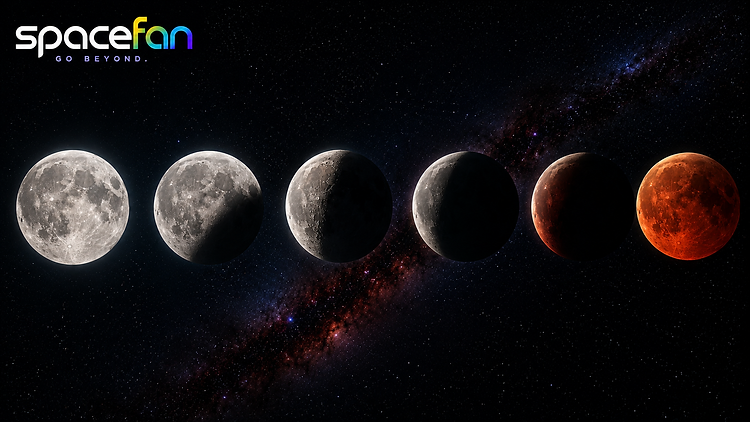
Six detailed moons showing different lunar illumination phases arranged across a star field and the Milky Way.
Image · Space.Fan

The Drop

Our best model for how the universe works is called the Lambda-CDM model. It acts like a master recipe for how galaxies grow and move across the cosmos. Scientists are constantly testing this recipe to see if it is still correct or if it needs a few changes. To check it, they looked at how sound waves moved through the early universe, leaving behind a special pattern in the way galaxies are spread out today. Researchers used data from a project called the Dark Energy Spectroscopic Instrument, or DESI. This tool acts like a giant camera and map-maker for space. By looking at how these galaxy patterns changed over time, the team created a new way to test the master recipe without needing extra outside information. It was like checking a map using only the distances between landmarks on the map itself. After running their tests, the researchers found that their observations matched the predictions of the Lambda-CDM model almost perfectly. Whether they looked at nearby galaxies or those much farther away, the rules of the universe seemed to stay the same. There were no weird surprises or large deviations that would suggest our current understanding is broken.
Advertisement

Why It Matters

This research is important because it shows that our standard map of the universe is very reliable. If scientists had found big differences, it would have meant we needed a brand-new theory to explain gravity or dark energy. By confirming that the current model works, researchers can keep using it to study other mysteries in space with confidence.
Advertisement

The Catch

While the math looks good for now, this study is limited to the data we have collected so far. As instruments like DESI continue to gather more precise information, future results might show tiny gaps that we cannot see today. This test does not mean the model is perfect, only that it is the best one we have based on the evidence we currently have in our hands.

Put That in Perspective

Scientists have been refining this model for decades, moving from simple guesses to highly detailed maps of the sky. This latest check is part of a larger ongoing effort to make sure our cosmic map is accurate. As we get better at measuring these galaxy patterns, researchers will likely apply these same tests to even larger datasets to ensure the universe keeps following the same rules.

Source September 24, 2026
ApJ

Keep Exploring Space