Advertisement
Space.Fan — Go Beyond
PSJ · 6 DAYS AGO
Solar SystemMODEL

Unlocking the Secrets of Uranus and Neptune

By Space.Fan Editorial Desk

Scientists are studying gas atoms in the air of giant planets to figure out how they were born.
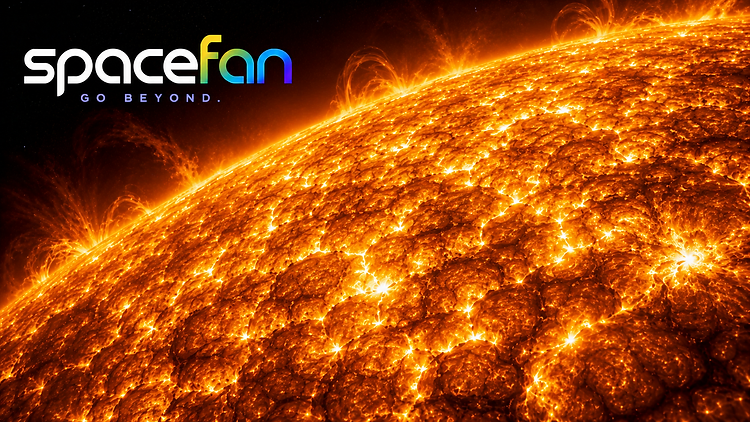
Close-up of the fiery Sun showing bright active regions and looping plasma above its surface.
Image · Space.Fan

The Drop

Uranus and Neptune are mysterious ice giants at the edge of our solar system. Scientists want to know how they formed, so they look at a gas called Argon-40. This gas can come from two places. Some of it is original from when the s were born, and some of it is created over time by rocks decaying inside the . To figure out where the Argon-40 comes from, researchers built a complex computer model. This model tracks how gas and solid material moved around the early solar system before the s were finished. By looking at how much carbon is in the atmosphere, they can guess how much Argon was trapped inside the s as they grew. The results suggest that the amount of original argon in these s could be huge. It might be over 1,000 times more than what we see in the Sun. This shows that the gas trapped inside these giant worlds holds clues about the icy environment where they first ted to form. This study helps us use gases as a roadmap to the past. By understanding the Argon-40, we can better guess which parts of the were made of rock and which were made of frozen gas. It turns out these s are more like time capsules than we ever imagined.
Advertisement

Why It Matters

Understanding these s helps us learn how our whole solar system came together billions of years ago. By measuring argon, scientists can effectively peer into the deep interior of the s without needing to land a probe there. If we know the ratio of argon to other gases, we can tell exactly where in the early solar system these s formed. This allows us to map out how material moved around the Sun when it was young, helping us confirm our theories about formation.
Advertisement

The Catch

The biggest problem is that we do not know for sure how much of the argon is original and how much came from rock decay. The model assumes certain things about how the early solar system worked, but those assumptions could be wrong. We need better measurements from future space missions to see if the model matches reality.

Put That in Perspective

Scientists hope that future space missions will measure argon alongside other gases like nitrogen and carbon. Having a full set of data will allow them to double-check their math and finally solve the mystery of how these distant giants reached their current size and location.

Source November 15, 2026
PSJ

Keep Exploring Space