Advertisement
Space.Fan — Go Beyond
Nature Astronomy · 3 DAYS AGO
Solar SystemPEER REVIEWED

Updating Rules to Keep Mars Safe for Future Exploration

By Space.Fan Editorial Desk

Scientists are proposing new planetary protection rules to prevent Earth germs from contaminating Mars as our missions become more complex.
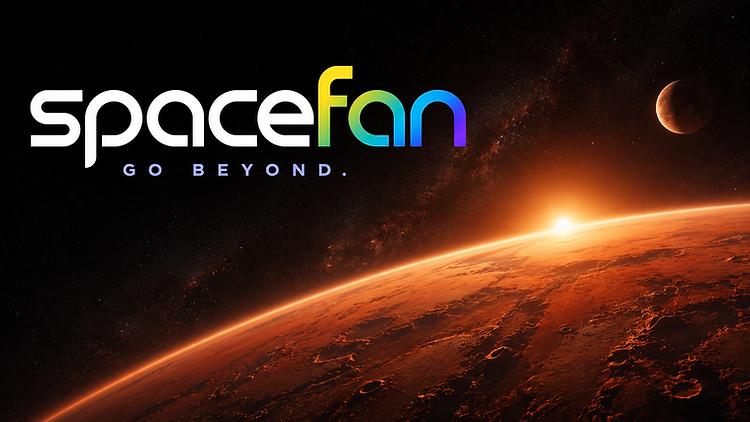
Mars seen from orbit showing its red and rocky surface.

The Drop

For many years, international space agencies have followed a set of rules called the COSPAR ary Protection Policy. These rules act like a giant shield for space exploration. Their main goal is to make sure that Earth’s own microbes do not accidentally hitch a ride on our spacecraft and end up on Mars. This is very important because if we found life on the Red , we need to be absolutely sure it actually ted there and didn't just come from a dusty rover sent from Earth. Experts are now reviewing these policies to make sure they still work for the next era of Mars travel. As our missions get more complicated and include new types of technology, the old rules need to be updated. Scientists, including members of the COSPAR Panel on ary Protection, are working to refine these guidelines to keep future science missions safe. By updating these standards, they ensure that we can explore Mars while protecting it as a pristine environment for study. This work is a mix of policy making and careful research into how life survives in extreme conditions.
Advertisement

Why It Matters

This update is crucial for the future of astrobiology. If we want to find out if life ever existed on Mars, we must ensure our gear is squeaky clean. If we accidentally bring bacteria from Earth to a place on Mars that might support life, we could ruin the environment or make it impossible to tell the difference between local Martian life and Earth invaders.
Advertisement

The Catch

These new rules are still in the proposal stage. Changing global space policies takes a long time because different countries and organizations must all agree on the new standards. The effectiveness of these rules also depends on how well engineers can actually clean complex machinery, which is becoming harder as spacecraft design gets more advanced.

Put That in Perspective

Since the 1960s, keeping other worlds clean has been a key part of space flight. As we prepare for more advanced robots and eventually human missions, the risk of contamination grows, making these updated policy debates more important than ever.

Source November 19, 2026
Karen Olsson-Francis, Peter T. Doran, Mark Sephton, Jonathan Carter, Petra Rettberg, María-Paz Zorzano, James Benardini, Silvio Sinibaldi, Erin Lalime, Luca Stoll, Athena Coustenis
COSPAR·Nature Astronomy

Keep Exploring Space