
Using Antarctica to Create Rules for Space Exploration
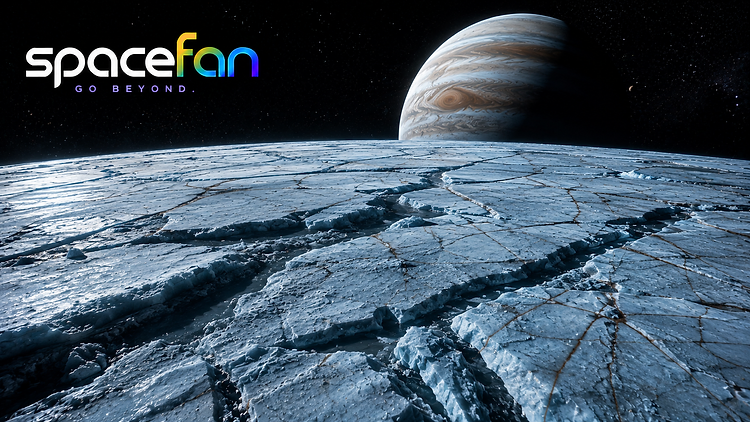
Scientists are looking at the frozen land of Antarctica to help us build ethical rules for exploring other moons and planets.
The Drop
Why It Matters
The Catch
Put That in Perspective
Scientists are currently looking at historical data and existing international agreements to see how these environmental policies have evolved since the late 20th century. Future work will likely focus on combining these old legal ideas with new technology meant for deep space travel.
Keep Exploring Space

Why We Might Be Alone: Space Hazards Block Galactic Travel
New computer models suggest that space dangers like asteroids and exploding stars might keep advanced civilizations from spreading across the galaxy.


Can Tiny Bacteria Help Humans Live on Other Planets?
New research shows that special cyanobacteria might survive extreme heights, offering a way to turn carbon dioxide into food and air for space trips.


Moon Craters Are Shallower in Its Darkest Corners
New high-resolution images show that small craters in the Moon's cold, shadowed regions are shaped differently than those in sunny areas.
Protecting Worlds: How We Keep Space Clean
As space travel grows, scientists are updating rules to keep our planet safe and protect other worlds from Earth's hitchhiking germs.