
Using Microwave Eyes to Peer Deep Inside Giant Planets
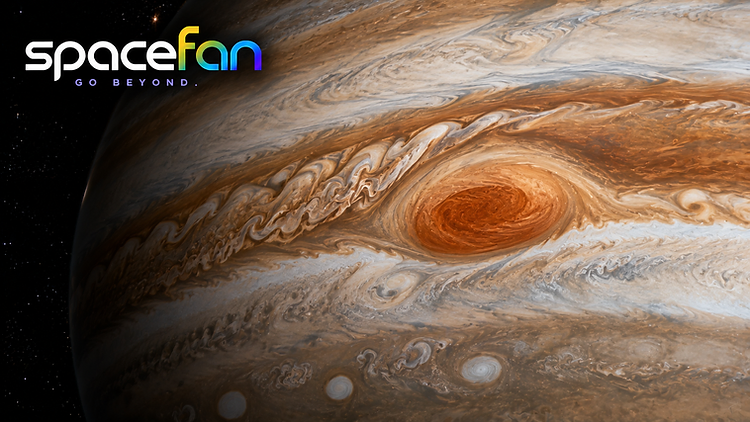
Scientists are planning to use special radio sensors to see deep into the stormy hearts of gas giants like Saturn and Uranus.
The Drop
Why It Matters
The Catch
Put That in Perspective
Microwave scanners have been used for years to track weather on Earth, from soil moisture to ocean winds. Moving this technology to deep space represents a massive leap in how we study other planets, shifting our view from just observing the surface to understanding the complex guts of a planet.
Keep Exploring Space

A New Landmark on the Moon: Scientists Spot the McGetchin Crater
A rare, massive impact has scarred the Moon's surface, revealing a fresh feature in the lunar landscape.

Space Dust Sorting Built the Early Solar System
Scientists found that 'aerodynamic sorting' shaped the building blocks of our early solar system through a cosmic game of dust particle sizing.


Massive Galaxies Have Followed the Same Rules for Billions of Years
A deep look into the distant past shows that giant galaxies grew up much like the ones we see in our neighborhood today.


New AI Tool Speeds Up Exoplanet Atmosphere Research
Scientists have created a new computer tool that helps us study distant planet atmospheres faster than ever before.