
Voyager 1 Reaches a Historic Distance of One Light-Day From Earth
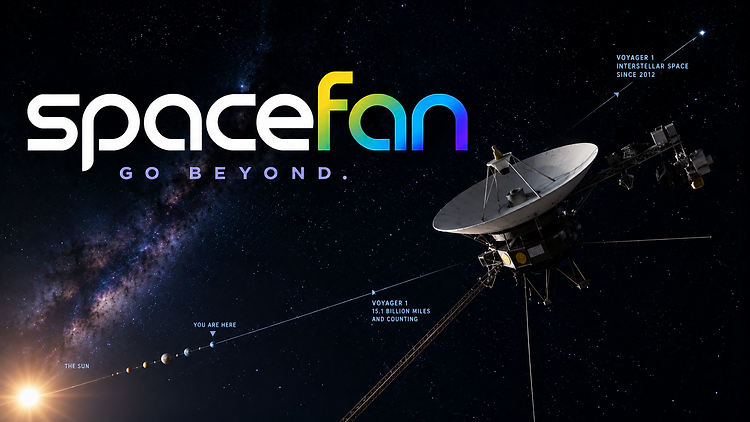
NASA celebrated the Voyager 1 spacecraft crossing a massive milestone as it travels through the far reaches of our solar system.
The Drop
Why It Matters
The Catch
Put That in Perspective
Voyager 1 is the most distant object created by humans in history. It has traveled much further than any other robotic mission. Future missions will likely need to build on the lessons learned from Voyager's long journey, especially in how to manage power and data transmission over such immense gaps in space.
Keep Exploring Space

Fine-Tuning the Roman Telescope to Catch Exploding Stars
Scientists are preparing the upcoming Roman Space Telescope to precisely measure distant exploding stars, which act as cosmic rulers for the universe.


Building a Permanent Home on the Moon
NASA is preparing to build a lunar outpost where astronauts will live and conduct science for long periods of time.


Moon Craters Are Shallower in Its Darkest Corners
New high-resolution images show that small craters in the Moon's cold, shadowed regions are shaped differently than those in sunny areas.
Protecting Worlds: How We Keep Space Clean
As space travel grows, scientists are updating rules to keep our planet safe and protect other worlds from Earth's hitchhiking germs.