
Why Venus Has No Moon
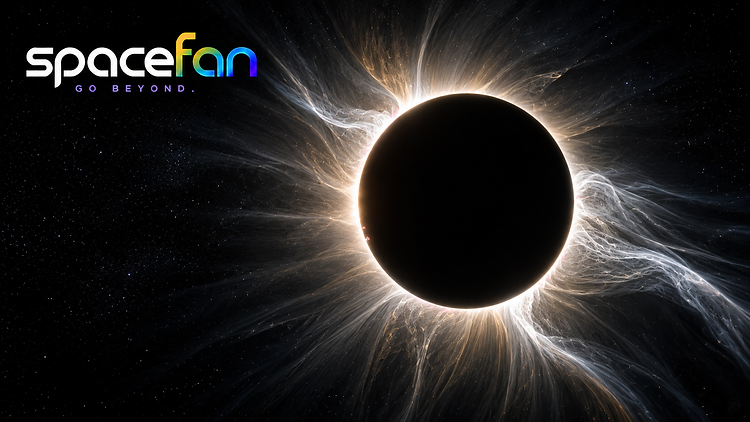
Scientists used computer models to figure out if a moon could have existed around Venus long ago and why it is gone now.
The Drop
Why It Matters
The Catch
Put That in Perspective
Scientists have studied planetary orbits for decades to explain why planets look the way they do today. This study is an important step because it shows that simple gravity effects are enough to explain the moonless state of Venus. Researchers will likely use these same tools to study other planets that have strange orbits or missing moons.
Keep Exploring Space

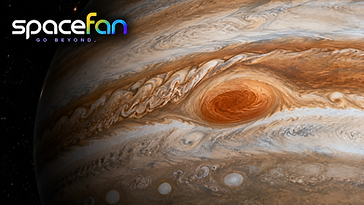
Using Microwave Eyes to Peer Deep Inside Giant Planets
Scientists are planning to use special radio sensors to see deep into the stormy hearts of gas giants like Saturn and Uranus.

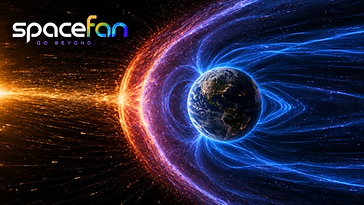
Solving the Mystery of Our Solar System's Outer Boundary
A new computer model helps explain how the solar wind changes as it travels to the farthest edges of our space neighborhood.

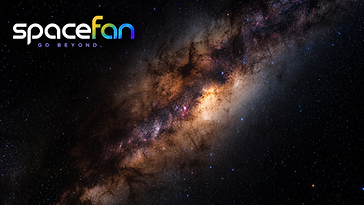
New Math Tool Could Help Us Map the Heart of Our Galaxy
Scientists have created a new way to track pulsars spinning around the giant black hole at the center of the Milky Way.


Tiny Clues in Ancient Space Rocks Reveal Building Blocks of Life
Scientists discovered thousands of complex organic molecules inside space rocks, showing us what the early solar system was made of.