
A New Model Explains Cosmic Radio Bursts as Magnified Star Light
Scientists think powerful radio flashes from deep space are amplified by the extreme gravity of spinning, magnetic stars.

The Drop
Why It Matters
The Catch
Put That in Perspective
Scientists are planning to compare this model against more observations from upcoming radio surveys. They want to see if the wobble of a neutron star, known as precession, can explain why some of these sources seem to turn on and off over long periods of time.
Keep Exploring Space

Updating the Hubble Sequence: How Early Galaxies Grew Up
New data from modern telescopes shows that galaxies were far more organized and mature early in the universe's history than we once believed.


Astronomers Find Ancient Stars That Hold Secrets of the Early Universe
Scientists discovered ten very old, metal-poor stars that reveal how the first stars in our universe lived and died.

Aditya-L1 Reveals New Details About How Solar Storms Grow
Scientists used a space telescope to capture the complex, 3D expansion of a massive solar eruption for the first time.
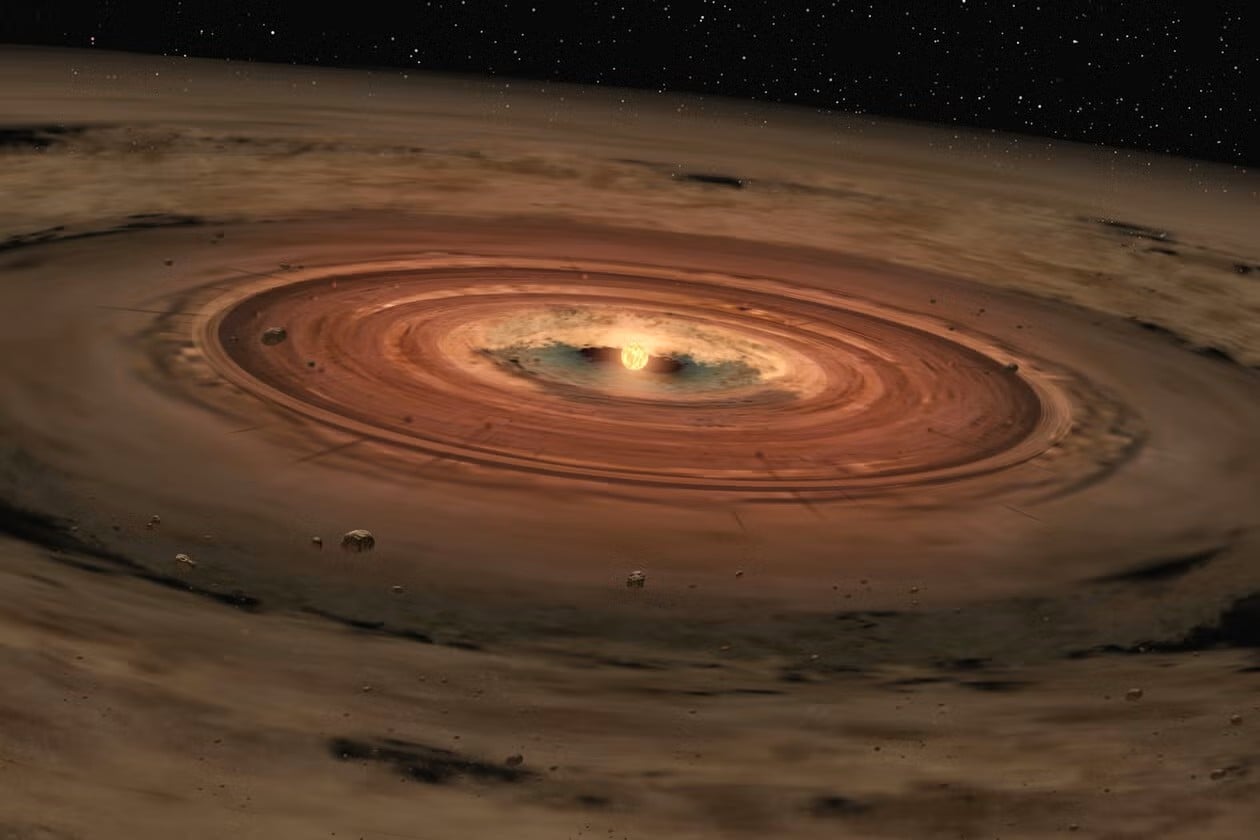
Our Solar System Started with Fire Instead of Ice
New research shows that the very first building blocks of our planets were shaped by intense heat rather than frozen space dust.