
A Powerful Look at a Medium-Sized Solar Flare
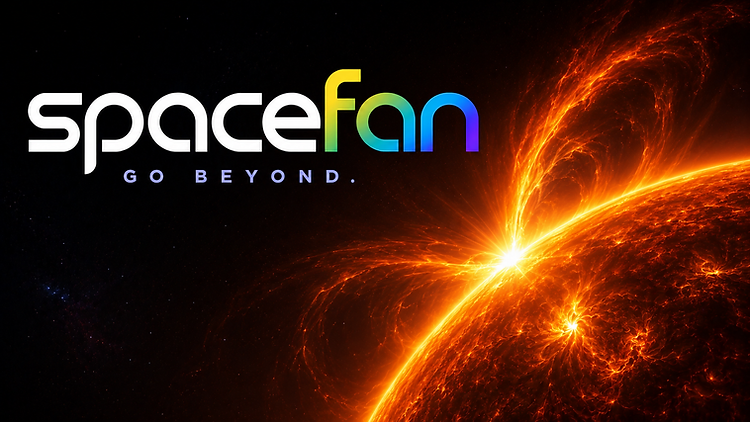
The Sun recently released a burst of energy, giving scientists a clear view of how our host star behaves during its active phase.
The Drop
Why It Matters
The Catch
Put That in Perspective
This observation is part of the ongoing effort to monitor the Sun during its peak activity years. Astronomers compare these images to past cycles to see if the current patterns match what we have seen in previous decades.
Keep Exploring Space

Better Computer Models Reveal Secrets of Solar Storms
Scientists found that tracking energy exactly in computer models is key to predicting how powerful a solar eruption will be.

A New Mathematical Tool Solves Solar Wind Mysteries
Scientists have fixed a long-standing math problem that helps us better understand how the solar wind travels through space.


Moon Craters Are Shallower in Its Darkest Corners
New high-resolution images show that small craters in the Moon's cold, shadowed regions are shaped differently than those in sunny areas.


Protecting Worlds: How We Keep Space Clean
As space travel grows, scientists are updating rules to keep our planet safe and protect other worlds from Earth's hitchhiking germs.