
Didymos Asteroid Slows Down After Impact Test
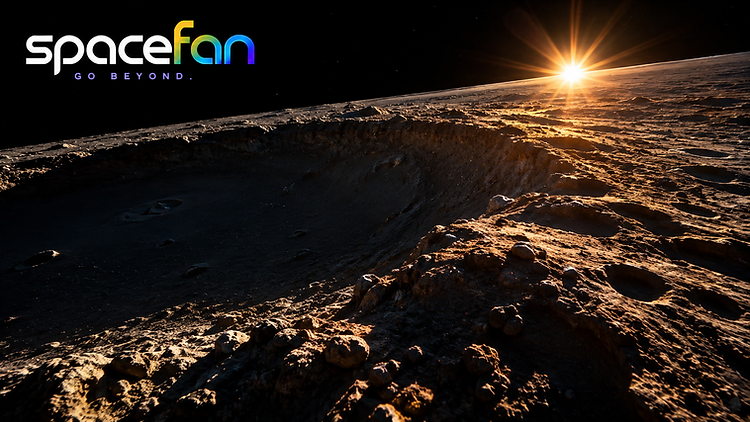
Scientists found that the main asteroid Didymos changed its rotation speed after the DART mission impacted its smaller moon.
The Drop
Why It Matters
The Catch
Put That in Perspective
This study is a precursor to the upcoming visit from the European Space Agency's Hera mission. Hera is currently traveling toward the Didymos system and will eventually arrive to take a close look. Its cameras and sensors will provide the first direct evidence to verify if these mathematical models accurately predicted how the asteroid changed its shape.
Keep Exploring Space


A Rare Visitor From Outside Our Solar System Reveals Its Secrets
Scientists used a powerful telescope to study a mysterious interstellar comet and found it acts very differently than the comets born in our home system.

Magnetic Forces Might Change How Rocks Move on Asteroid Psyche
New simulations show that magnetism could cause dust and rocks on the metal-rich asteroid 16-Psyche to stick together in unexpected ways.

A Lava Planet Keeps a Surprising Reflective Shield
Astronomers found that a scorched rocky world is wrapped in a glowing, reflective atmosphere that shouldn't be there.


New AI Tool Speeds Up the Hunt for Dying Stars
Scientists are using artificial intelligence to scan thousands of deep space images for rare planetary nebulae.