Advertisement
Space.Fan — Go Beyond
ApJS · 7 DAYS AGO
UniverseMODEL

Future Space Detectors Might Catch Ghostly Repeating Gravity Waves

By Space.Fan Editorial Desk

Scientists have built a model to predict how space-based telescopes could spot gravity waves bent by the massive gravity of distant galaxies.
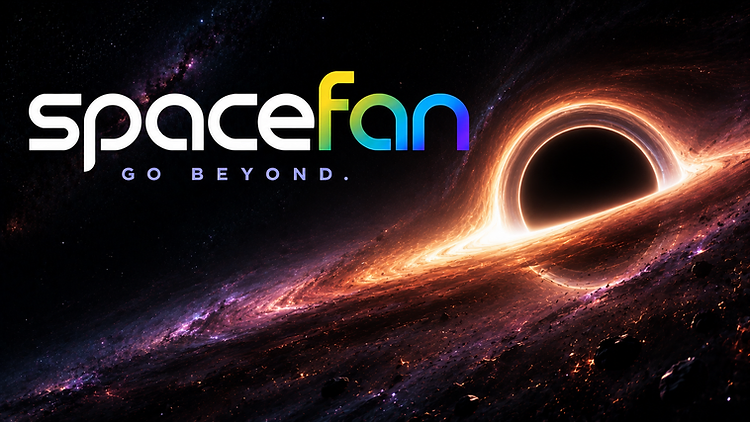
A black hole with a glowing accretion disk in deep space.
Image · Space.Fan

The Drop

Space-based telescopes like the upcoming LISA mission are designed to listen for ripples in space called gravitational waves. These waves are created by massive cosmic events, such as two s crashing into each other. Sometimes, a heavy galaxy or cluster of galaxies sits directly between the event and our telescope. The massive gravity of that galaxy acts like a magnifying glass, bending and distorting the waves as they travel toward us. Researchers have created a new simulation to understand how often this might happen. They used complex math models to predict where these lenses might be and what kind of signals they would send. By building this 'mock catalog,' they can prepare to tell the difference between a normal wave and one that has been stretched or duplicated by a massive object in its path. The simulation results suggest that we could see dozens of these lensed events. The number depends on how many massive s actually exist in the early universe, which is still a major question in astronomy. The study shows that because space-based detectors are so sensitive, we might even catch multiple versions of the same wave overlapping, making the signals look like a crowded jumble of data. This work is a vital roadmap for future missions. It warns scientists that they need better tools to untangle these messy signals before we can use them to learn about the universe. By planning for this now, teams can ensure their computers are ready to pick out the important information from the noise.
Advertisement

Why It Matters

Understanding these lensed waves matters because it changes how we measure the universe. If we can correctly identify a lensed signal, we can use it to learn more about the object doing the lensing, such as its invisible dark matter. This provides a new way to map the structure of the cosmos. Without these models, we might misread the data. By knowing what to look for, researchers can avoid making errors in their calculations about how far away objects are or how much they weigh. It turns a potential problem into a powerful tool for discovery.
Advertisement

The Catch

This study is based on computer simulations, not actual observations from space. The results rely on specific assumptions about how many s exist and how they behave. If our current theories about how s form are wrong, the real number of lensed events could be much lower or higher than the model predicts.

Put That in Perspective

Scientists have previously seen lensed light from stars and galaxies for years, but catching lensed gravitational waves is a brand-new frontier. Future detectors will allow us to test these predictions by comparing the model data against real signals from deep space for the first time.

Source November 15, 2026
ApJS

Keep Exploring Space