
Magnetic Reconnection is the Engine Behind Solar Storms
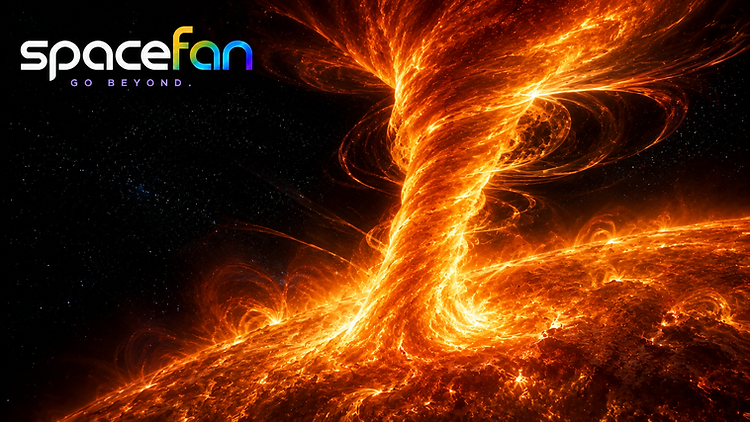
New simulations show that magnetic reconnection triggers and drives solar eruptions, challenging old ideas about how they begin.
The Drop
Why It Matters
Aurora Tonight
Live NOAA outlookLow aurora activity
Mostly Arctic: Alaska, northern Canada, Greenland, and far-northern Europe
Aurora forecasts are probabilistic. Darkness, clouds, local light pollution, and rapidly changing solar-wind conditions affect what you can actually see.
The Catch
Put That in Perspective
Scientists have spent decades debating if instability or reconnection is the primary cause of solar storms. This work provides a new way to look at the process by showing how reconnection builds and pushes the erupting plasma, moving the field toward a more complete view of how these space weather events function.
Keep Exploring Space

Better Computer Models Reveal Secrets of Solar Storms
Scientists found that tracking energy exactly in computer models is key to predicting how powerful a solar eruption will be.

A New Mathematical Tool Solves Solar Wind Mysteries
Scientists have fixed a long-standing math problem that helps us better understand how the solar wind travels through space.


Moon Craters Are Shallower in Its Darkest Corners
New high-resolution images show that small craters in the Moon's cold, shadowed regions are shaped differently than those in sunny areas.


Protecting Worlds: How We Keep Space Clean
As space travel grows, scientists are updating rules to keep our planet safe and protect other worlds from Earth's hitchhiking germs.