
Mapping the Moon's Mysterious 'Elephant Hide' Terrain for Artemis
Scientists are using new technology to spot tricky lunar ground that could impact where future astronauts land on the Moon.
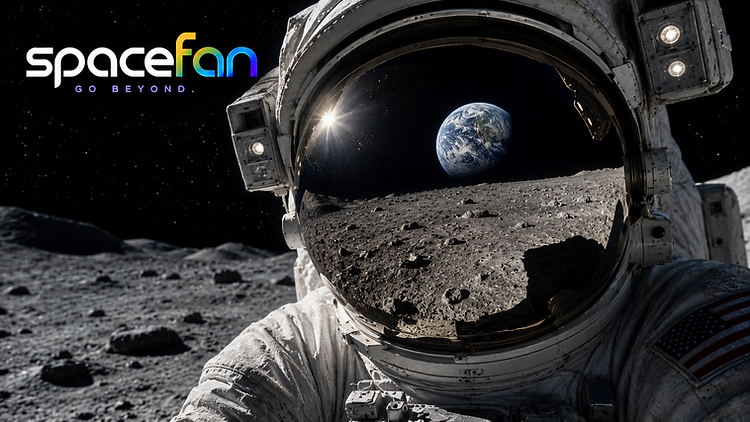
The Drop
Why It Matters
The Catch
Put That in Perspective
Scientists looked at 13 potential landing sites near the Moon's south pole. This new tool uses math to scan high-resolution maps of the Moon, making it much easier to spot these patterns than just looking at photos by eye. Future work will continue to refine these maps to keep astronauts safe.
Keep Exploring Space


Moon Craters Are Shallower in Its Darkest Corners
New high-resolution images show that small craters in the Moon's cold, shadowed regions are shaped differently than those in sunny areas.


Protecting Worlds: How We Keep Space Clean
As space travel grows, scientists are updating rules to keep our planet safe and protect other worlds from Earth's hitchhiking germs.

A New Way to See Exoplanet Details More Clearly
Scientists have found a better way to filter out starlight interference, allowing us to spot the secrets of distant planets much faster.


A New Way to Map Underground Water and Energy on Other Planets
Scientists have tested a non-invasive tool to find hidden water and energy sources that could support life on Mars and other worlds.