
NASA Greenlights New Space Telescope to Map Cosmic History
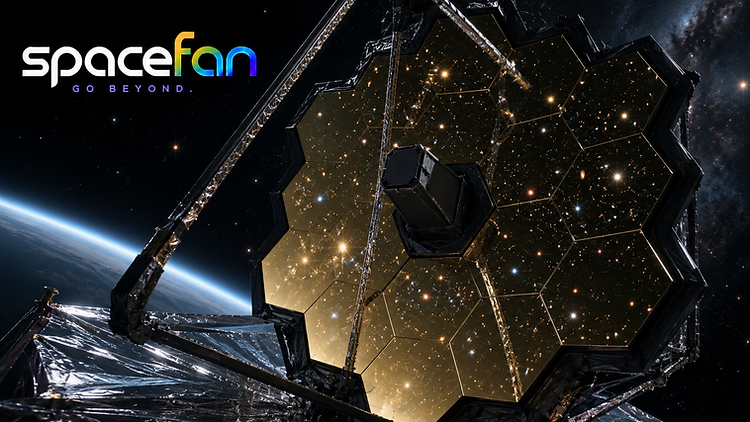
A new mission called PRIMA will use far-infrared light to peer back into the early history of our universe.
The Drop
Why It Matters
The Catch
Put That in Perspective
NASA has a long history of using the Explorers Program to launch focused, high-impact science missions. PRIMA is meant to be a step up in size from previous Explorers, offering a balance between cost and scientific power. Researchers will spend the coming years building and testing the telescope before it can begin its job of mapping the far-infrared sky.
Keep Exploring Space

NASA Plans New Mission to Bring Back Rocks From the Moon's Largest Crater
A new mission report details how we could finally bring home samples from the Moon's hidden farside to unlock secrets of its ancient past.

NASA Announces International Crew for Upcoming SpaceX Mission
Four astronauts from three different countries will travel to the International Space Station for a long-term science mission in 2027.

Scientists Watch Solar Magnetic Fields Expand Into Space
New high-resolution images show how magnetic fields grow and stretch as they rise from the Sun's surface.

Astronomers Watch Two Massive Galaxy Clusters Colliding in Deep Space
Scientists have spotted a giant cosmic crash between two galaxy clusters that are slamming into each other at incredible speeds.