
Solving the Mystery of Cosmic Dust in Star-Forming Clouds
New research reveals that dust grains in space grow and change in unexpected ways depending on their local environment.
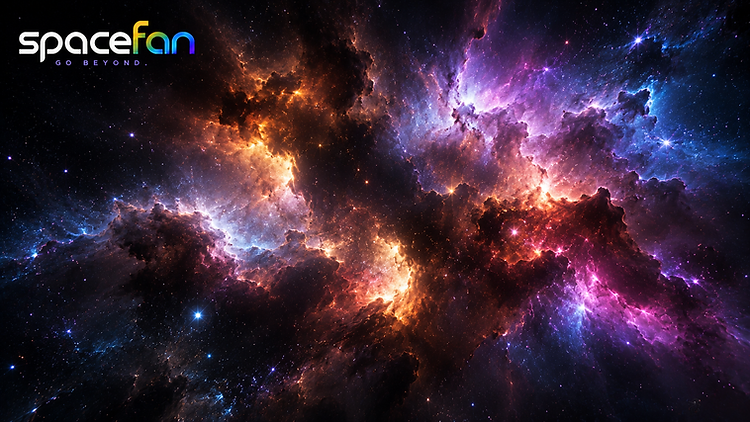
The Drop
Why It Matters
The Catch
Put That in Perspective
Scientists have known for a long time that dust changes in space, but they usually relied on general models. This study moves past those old models by using detailed local observations. It suggests that factors like chemical collisions or the local radiation of nearby stars play a bigger role in shaping dust than we previously realized.
Keep Exploring Space

A Strange Star System That Exploded Years Ago Is Still Acting Up
Astronomers have discovered that a star system known for a big explosion in 2009 is showing unusual, repeating brightness changes.

Scientists Get a Clearer View of Our Closest Neighboring Star
Researchers have used high-powered light tools to sharpen our understanding of Proxima Centauri, the star nearest to our own solar system.

Moon Craters Are Shallower in Its Darkest Corners
New high-resolution images show that small craters in the Moon's cold, shadowed regions are shaped differently than those in sunny areas.


Protecting Worlds: How We Keep Space Clean
As space travel grows, scientists are updating rules to keep our planet safe and protect other worlds from Earth's hitchhiking germs.