Advertisement
Space.Fan — Go Beyond
ApJ · 2 HR AGO
Solar SystemMODEL

Uranus and Neptune Might Be Oceans of Hot Magma, Not Just Ice

By Space.Fan Editorial Desk

New research suggests our solar system's cold giants may actually be giant, bubbling worlds of liquid rock hidden beneath thick gas clouds.

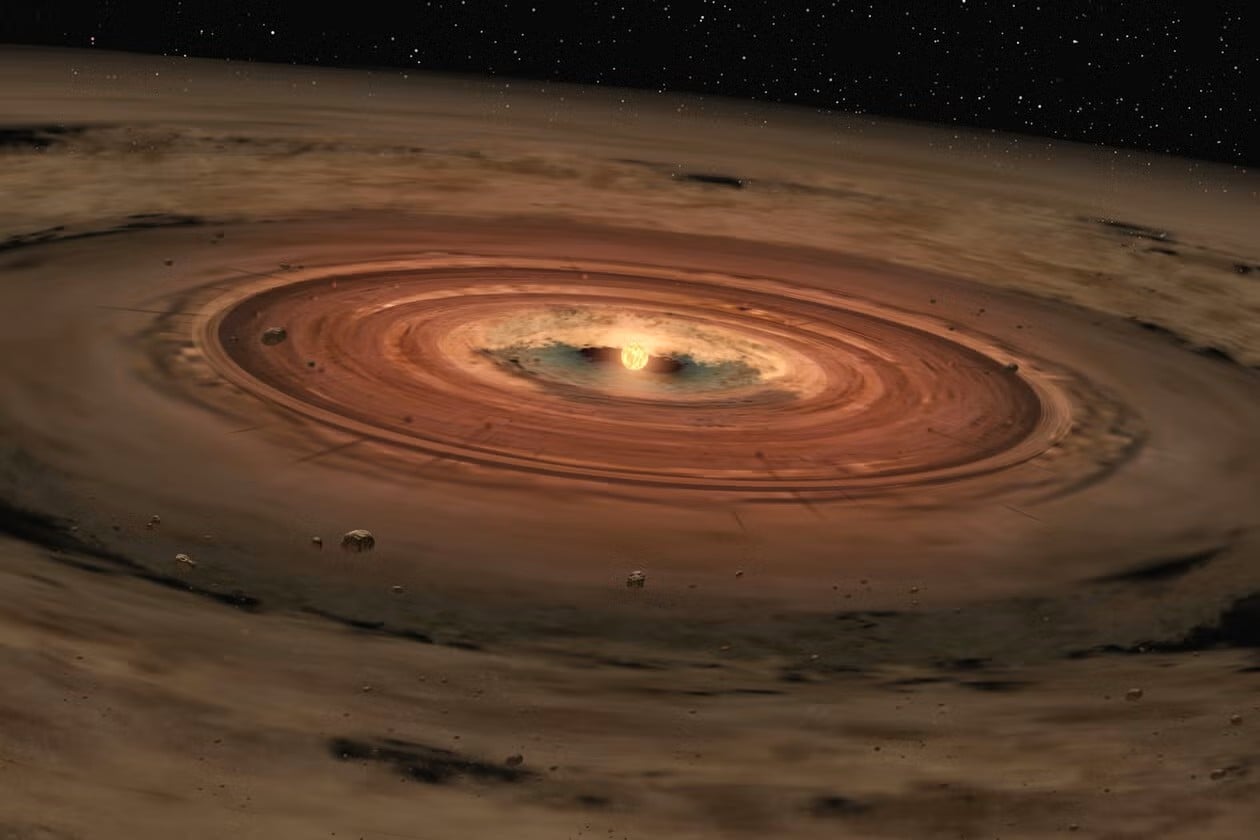
Liquid droplets splash across the wet surface of Titan beneath its dense orange atmosphere.
Image · Space.Fan

The Drop

For a long time, scientists called Uranus and Neptune ice giants. They thought these s were mostly made of icy water, methane, and ammonia. But a new study suggests a different story. Researchers used computer models to look at the s' size, weight, and how they pull on space objects nearby. They found that these s might actually have deep oceans of hot, liquid rock, called magma, sitting under thick layers of hydrogen gas. To figure this out, the team created a new model that simplifies the insides of these s. Instead of just ice, their model assumes a hot, melted rock layer. This model matches the s' shapes and temperatures better than the older, ice-only ideas. It shows that these giant worlds act more like a special type of we see around other s, known as sub-Neptunes. This discovery changes how we see our own solar system. It turns out that Uranus and Neptune are not just weird, lonely ice balls at the edge of our neighborhood. They actually fit into a bigger family of s found all over the galaxy. This helps scientists understand that many s in space might be built the same way as these two mysterious giants.
Advertisement

Why It Matters

Understanding if these s have magma oceans helps scientists learn how s grow and change over billions of years. By comparing Uranus and Neptune to distant s orbiting other s, we can test our ideas about formation. It proves that the same rules of science that apply to far-off s also work for our own neighboring worlds.
Advertisement

The Catch

This is a model, not a direct observation. We cannot see inside Uranus or Neptune, so we have to guess based on how they move and how much they weigh. While the math fits the current data, it is possible that the real insides of these s are more complex than this simple model, or that they contain different materials than the ones scientists assumed.

Put That in Perspective

Scientists have studied these planets for decades using telescopes and one flyby mission. This new study links them to the thousands of planets discovered by space telescopes orbiting other stars, connecting our solar system to the rest of the galaxy in a new way.

Source September 30, 2026
ApJ

Keep Exploring Space