
Using Desert Dunes to See Beneath the Surface of Mars
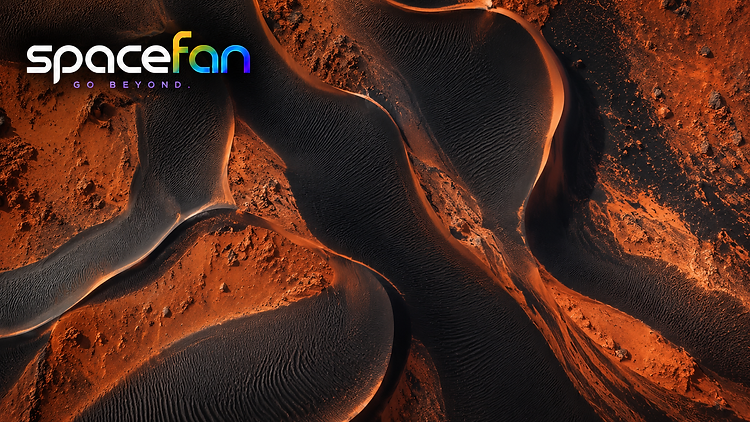
Scientists used desert radar to learn how to scan Martian sand dunes for hidden structures.
The Drop
Why It Matters
The Catch
Put That in Perspective
Scientists have long used Earth as a laboratory for planetary science. This research builds on years of trying to interpret radar data from space, moving from simple theories to real-world testing. Future missions will likely use these new radar rules to better analyze the subsurface of other planets and moons with sandy landscapes.
Keep Exploring Space


Moon Craters Are Shallower in Its Darkest Corners
New high-resolution images show that small craters in the Moon's cold, shadowed regions are shaped differently than those in sunny areas.


Protecting Worlds: How We Keep Space Clean
As space travel grows, scientists are updating rules to keep our planet safe and protect other worlds from Earth's hitchhiking germs.


New Computer Model Captures the Violent Death of a Star
Researchers created a new way to simulate how a black hole tears a star apart and eats the pieces.


AI Helps Scientists Predict Powerful Solar Storms Before They Happen
Researchers used a new computer program to find clues on the Sun that show when a massive solar storm is about to blast toward Earth.