Advertisement
Space.Fan — Go Beyond
Universe Today · 7 DAYS AGO
MissionsEARLY RESEARCH

Using Shadows to Find Spaceships

By Space.Fan Editorial Desk

Scientists have found a clever way to track satellites in space using only the shadows cast by the Moon and Earth.
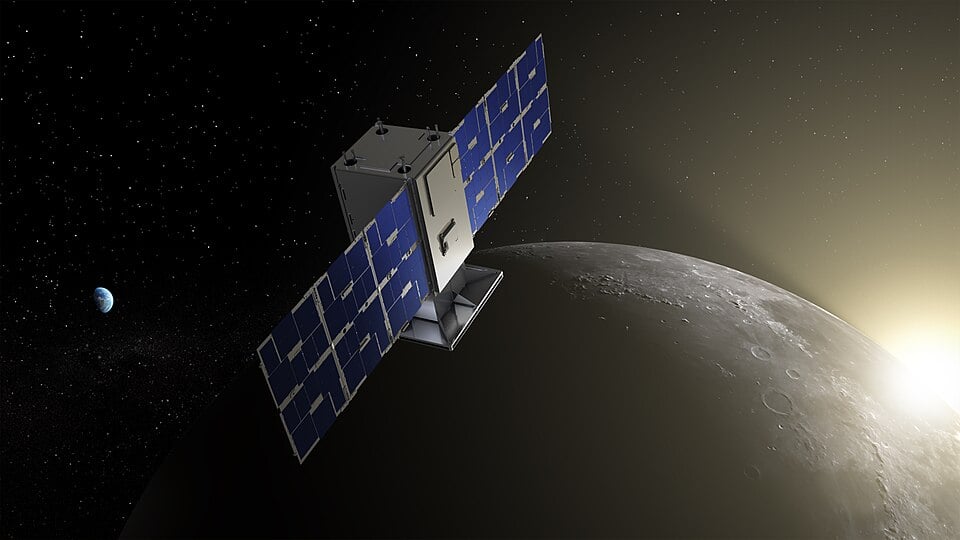
An artist's view of a satellite entering the shadow cast by the Moon in space.
Image · Universe Today

The Drop

Tracking satellites in deep space is getting harder because there are so many of them. NASA usually uses a massive group of antennas on Earth to listen for signals and find where a spacecraft is located. However, these antennas are becoming very busy. Now, researchers have developed a new method that does not require any help from ground stations. Instead, it uses the power system already found on every satellite. When a spacecraft passes through a shadow—like when the or Earth blocks the Sun—its solar panels stop receiving sunlight. This causes a sudden drop in the power levels produced by the craft. Because we know exactly where the Sun, Earth, and are at any given time, we can use the exact moment that the power drops to figure out where the spacecraft is. By recording the timing of these solar eclipses, a computer can pinpoint a satellite's location in space without needing extra cameras or radio help. To make the math work, the team used over 22,000 historical records of lunar eclipses. This data helps the system recognize the specific shadows cast by different parts of the Earth and .
Advertisement

Why It Matters

This discovery matters because it could save a lot of money and effort for future space missions. If satellites can track themselves using only their own internal power sensors, they will not have to rely as much on NASA's busy ground antennas. This frees up those precious resources for other important tasks, like communicating with deep space telescopes or robotic explorers on other s.
Advertisement

The Catch

This method is still being tested and has some tricky parts to solve. For example, the has many craters and mountains that create jagged, uneven shadows, which can make the timing measurements off by a few seconds. Additionally, Earth has a thick atmosphere that can blur the sunlight, making it harder to know exactly when a spacecraft enters the shadow.

Put That in Perspective

Navigating by the stars and the positions of planets has been used by sailors for centuries. This new research brings that old idea into the modern age by using the shadows of planets to guide our robotic explorers through the solar system.

Source November 15, 2026
Ian Down, James McElreath, Manoranjan Majji
Advanced Space, Space Exploration Engineering, Texas A&M

Keep Exploring Space