
When Stars Get Too Close to Black Holes, They May Have Two Fates
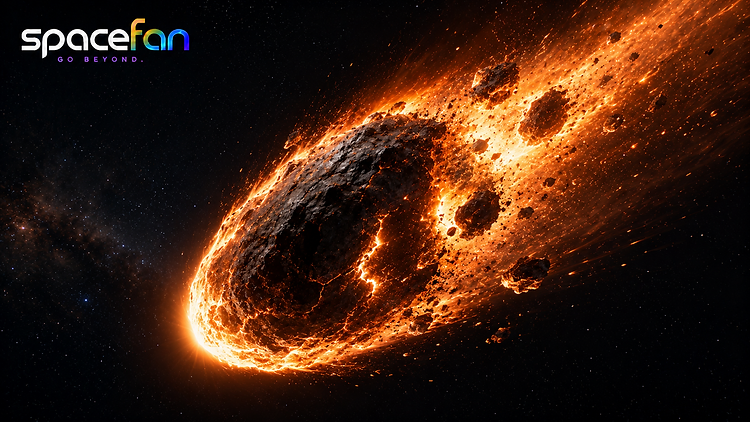
New simulations show that stars caught near a black hole either get torn apart in a flash or enter a long, stable dance of losing matter.
The Drop
Why It Matters
The Catch
Put That in Perspective
Astronomers have long studied how black holes swallow stars, but this look at 'middle-ground' orbits helps fill a gap in our knowledge. Previous studies often looked only at the moment of total destruction. This new approach shows the range of possibilities, which will guide researchers as they scan the sky for new space flares.
Keep Exploring Space

A Strange Star System That Exploded Years Ago Is Still Acting Up
Astronomers have discovered that a star system known for a big explosion in 2009 is showing unusual, repeating brightness changes.

Scientists Get a Clearer View of Our Closest Neighboring Star
Researchers have used high-powered light tools to sharpen our understanding of Proxima Centauri, the star nearest to our own solar system.


Moon Craters Are Shallower in Its Darkest Corners
New high-resolution images show that small craters in the Moon's cold, shadowed regions are shaped differently than those in sunny areas.


Protecting Worlds: How We Keep Space Clean
As space travel grows, scientists are updating rules to keep our planet safe and protect other worlds from Earth's hitchhiking germs.