
Astronomers Spot Youngest Planet Ever Seen in a Dusty Disk
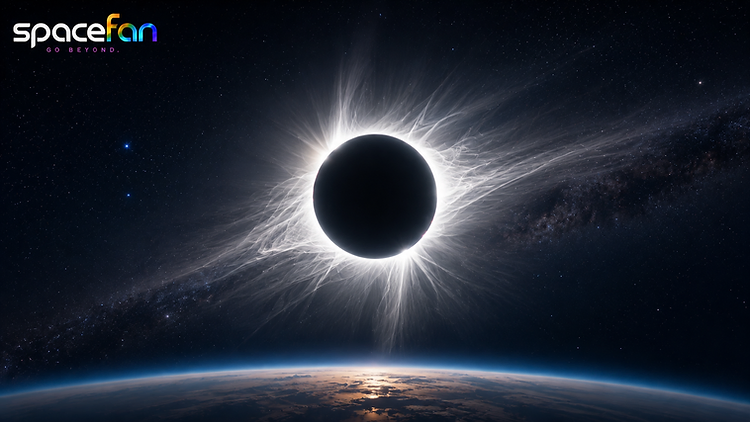
Scientists have captured an image of a newborn planet hiding inside a swirling cloud of dust, offering a peek at how solar systems are born.
The Drop
Why It Matters
The Catch
Put That in Perspective
Scientists have searched for planets hiding in dusty disks for years, but most found in the past were already much older. This discovery acts as a new anchor point for how fast planet formation can happen. Future studies will likely focus on looking at other young stars to see if this baby planet is a normal part of how solar systems start or if this system is unique.
Keep Exploring Space

Early Galaxies Were Messier Than We Thought
New observations show that some of the first galaxies in the universe were already blowing out heavy elements into space.

New AI Tool Speeds Up Exoplanet Atmosphere Research
Scientists have created a new computer tool that helps us study distant planet atmospheres faster than ever before.

How Magnetic Mirrors Supercharge Particles in Deep Space
Scientists have uncovered a powerful way magnetic fields act like mirrors to boost particles to incredible speeds.

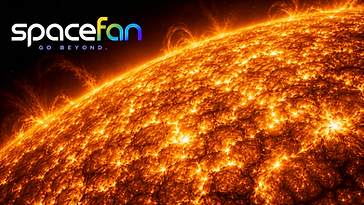
Sunspots Cluster in Hidden Nests That Affect Solar Activity
Scientists have found that solar activity is not random, but instead organized into nested groups that create lopsided magnetic behavior.