
Latest
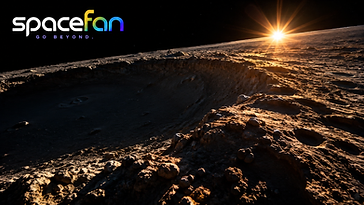
Moon Craters Are Shallower in Its Darkest Corners
New high-resolution images show that small craters in the Moon's cold, shadowed regions are shaped differently than those in sunny areas.

Protecting Worlds: How We Keep Space Clean
As space travel grows, scientists are updating rules to keep our planet safe and protect other worlds from Earth's hitchhiking germs.
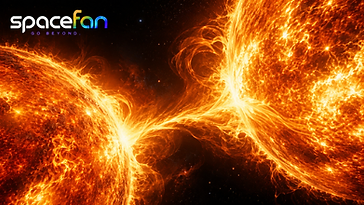
A Strange Star System That Exploded Years Ago Is Still Acting Up
Astronomers have discovered that a star system known for a big explosion in 2009 is showing unusual, repeating brightness changes.
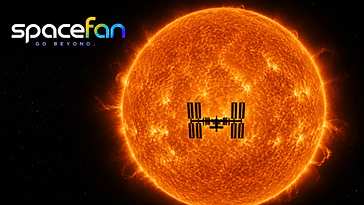
Scientists Get a Clearer View of Our Closest Neighboring Star
Researchers have used high-powered light tools to sharpen our understanding of Proxima Centauri, the star nearest to our own solar system.

Scientists Spot Lopsided Rings Around Rapidly Spinning Stars
New observations reveal that stars surrounded by spinning gas disks have hidden, uneven shapes that ripple over time.
A New Way to See Inside Uranus and Its Moons
Scientists are planning a smart radio tool to scan the hidden interiors and potential oceans of Uranus and its icy moons.

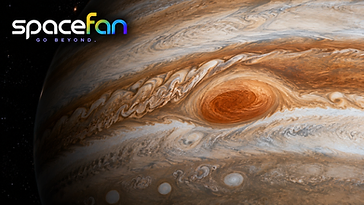
Jupiter's Colorful Swirls Revealed in New Juno Mission Image
A stunning new photo from the Juno spacecraft captures the beautiful and complex patterns in the clouds of our solar system's largest planet.

Scientists Watch Metal Vapor Escape From a Giant Hot Planet
Researchers have discovered that the ultra-hot planet WASP-76b is losing its atmosphere by shedding magnesium into space.

Galaxies Move in Mysterious Ways
Astronomers found that large groups of galaxies are moving a little differently than our best theories predicted.

Why Scientists Are Seeing Double When Looking at the Early Universe
A clever math problem is causing confusion about how the first galaxies grew, but experts think they have finally found the hidden reason why.


A Smarter Way to Hunt for Planets Around Distant Stars
Scientists have created a new computer tool that cleans up messy star data to find tiny hidden planets more easily.


Using Antarctica to Create Rules for Space Exploration
Scientists are looking at the frozen land of Antarctica to help us build ethical rules for exploring other moons and planets.
A Distant Planet Is Leaking Helium Into Space
Astronomers have spotted a giant planet, TOI-3884b, that is losing its atmosphere in a strange and lopsided way.

Better Computer Models Reveal Secrets of Solar Storms
Scientists found that tracking energy exactly in computer models is key to predicting how powerful a solar eruption will be.


TESS Finds New Worlds Hiding Around Faint Stars
Astronomers used a clever search method to find hundreds of potential new planets orbiting dim, distant stars.
A Classic Look at Neptune from Voyager 2
Decades after its historic flyby, Voyager 2's famous images of Neptune continue to help us understand our solar system's distant blue giant.

A New Mathematical Tool Solves Solar Wind Mysteries
Scientists have fixed a long-standing math problem that helps us better understand how the solar wind travels through space.

Astronomers Reveal False Identities of Space 'Spider' Pulsars
New research shows that some stars thought to be feeding on companions are actually just giant stars masquerading as hungry pulsars.
Seeing Earth as a Cosmic Spectacle
Researchers say looking at the stars helps us realize that Earth is a special part of the universe that needs our protection.

Scientists Find New Way to See Tiny Hidden Clouds from the Early Universe
A new model shows how we could use radio waves to spot small, ancient gas clumps formed during the cosmic Dark Ages.

Testing How Solar Storms Travel from the Sun to Earth
Scientists are checking how well computer models can predict the arrival of giant solar explosions that hit our planet.

Peering Inside the Dusty Disks Where Planets Are Born
Scientists have found hidden patterns in the gas surrounding young stars, helping us understand how baby planets take shape.


Supermassive Black Holes Blow Huge, Hot Bubbles in Space
Scientists found that two powerful black holes are heating up the gas around them much more than expected.

Scientists Detect Rare Gamma-Ray Burst from the Sun
For the first time, researchers have captured a major solar event using gamma-ray detectors at both the North and South Poles.
Webb Telescope Reveals the Hidden History of Ancient Galaxy Disks
Astronomers used the James Webb Space Telescope to study the oldest stars in nearby galaxies, uncovering how they grew over billions of years.

Why Some Planet-Forming Disks Keep Their Shape So Long
Scientists have found that small, wobbly patterns in space dust can get stuck in place for millions of years instead of spreading out.
How Tiny Dust Grains Help Build Molecules in Deep Space
Scientists have uncovered how hydrogen molecules form on space dust, revealing the secret energy behind the birth of stars and planets.
Webb Telescope Detects Hidden Light from Key Space Molecule
Astronomers have finally spotted a rare, forbidden light signal from the H3+ molecule in deep space using the James Webb Space Telescope.

How Super-Fast Jets Move Energy Through Space
Scientists used computer models to see how magnetic energy bursts create high-speed jets near shock waves in space.


Why Some Tiny Galaxies Near the Milky Way Are Stretching Out
Scientists discovered that two neighbor galaxies act differently when they get pulled by the Milky Way's gravity.

Scientists Find a New Way to Spot Hidden Black Holes Near the Milky Way Center
Researchers have discovered a clever trick to detect massive, unseen objects lurking near the giant black hole at the heart of our galaxy.


A Powerful Space Explosion Reveals a Violent Collision
Astronomers witnessed a cosmic smash-up where two high-speed shells of gas collided in deep space.

Astronomers Find Rare Pairs of Helium-Atmosphere White Dwarfs
Scientists discovered nine new binary star systems made of helium-rich white dwarfs, helping us map the hidden side of our galaxy.

Cosmic Ray 'Waves' Could Reveal Hidden Space Turbulence
New research shows how tiny ripples in space plasma could help us map the invisible movement of high-energy particles.
A New 30-Year Catalog Tracks Magnetic Flip-Flops in the Sun's Wind
Scientists have mapped over 1,000 magnetic boundary crossings to better understand how the Sun shapes the space environment around Earth.

Fine-Tuning the Roman Telescope to Catch Exploding Stars
Scientists are preparing the upcoming Roman Space Telescope to precisely measure distant exploding stars, which act as cosmic rulers for the universe.

Using Galaxy Outskirts to Weigh Hidden Dark Matter
Scientists have found a new way to estimate the mass of invisible dark matter by measuring the faint stars on the edges of large galaxies.
Solving the Mystery of a Strange Pulsar Spinning in Deep Space
Scientists have uncovered why a rare, super-fast star is behaving in such a strange and unexpected way.
How the Sun's Magnetic Field Changes Rain on Mars
New research shows how the direction of solar magnetic fields controls the amount of energy hitting the Martian atmosphere.

A New Explanation for Dark Energy Could Change Our View of Space
Scientists suggest that a property of the smallest particles of matter might be what is pushing our universe to grow faster.
A Star System Acting Like a Fast Magnetic Spinner
Astronomers found a star system that acts like a cosmic magnet, spinning rapidly and shedding material in a unique way after an explosion.
Massive Galaxies Change Their Shape Over Billions of Years
New research reveals that the centers of giant galaxies have slowly thickened over the last 6.5 billion years.
A Dying Star Caught in the Act of Shedding Its Outer Layers
Astronomers used a powerful telescope to watch a star create a beautiful, glowing ring as it nears the end of its life.
Is the Recipe for Building Galaxies the Same Everywhere?
Scientists discovered that the chemical building blocks of stars might follow a universal pattern across the cosmos.
New Computer Models Reveal Secrets of Glowing Galaxy Bars
Scientists have created a better way to map how gas moves inside spiral galaxies like our own Milky Way.
Scientists Reveal Chemical Secrets of Distant Star Clusters
Researchers used a powerful sky survey to analyze the makeup of star clusters in our neighboring galaxies, the Magellanic Clouds.
New Tool Helps Astronomers Tell Giant Stars Apart
Researchers found a clever way to classify massive, aging stars by listening to the radio signals they broadcast into space.
A Better Way to Predict Solar Storms and Space Weather
Scientists have created a new computer model that better explains how powerful solar shockwaves travel through space.

A Cosmic Explosion Reveals Two Engines Powering One Giant Blast
Scientists discovered that a massive gamma-ray burst was powered by both a newborn star remnant and a growing black hole.
A New Way Stars Might Explode
Scientists have found that powerful jets inside a dying star could explain why they explode so quickly.
A New Way to Map the Secret Interior of Neutron Stars
Scientists have created a better method to study how matter behaves inside the densest objects in the universe.
Webb Telescope Finds a Tiny Galaxy That Could Rewrite History
Astronomers spotted a tiny, extremely bright galaxy that helps explain how the early universe first filled with light.
Scientists Catch a Giant Eruption on a Tiny Distant Star
Astronomers witnessed a massive explosion on a small star, providing a rare look at how space weather affects planets far away.
Galaxy Jets Are Shaking Up Their Surroundings
Giant jets of energy from black holes act like cosmic battering rams, smashing into the gas inside their home galaxies.
Solving a Solar Mystery: How Sun Waves Reveal Hidden Secrets
Scientists have discovered that waves in the Sun's atmosphere behave differently than we thought, changing how we measure its hidden speed.
Solving the Mystery of How Planets Begin to Form
Scientists compared seven different computer models to see how space dust clumps together to create the seeds of new planets.
How Giant Bubbles in Space Speed Up Cosmic Particles
Scientists have created a new model showing how bubbles made by star winds push space particles to incredible speeds.
A New AI Tool Speeds Up the Study of Dancing Binary Stars
Scientists have created a new computer brain that can figure out how binary star systems work much faster than ever before.

New Math Helps Us See What Exoplanet Clouds Are Really Made Of
Scientists have created a better way to model the dusty, messy clouds floating in the atmospheres of planets far beyond our solar system.

How Bright Stars Keep Their Dusty Rings Alive
Scientists found out why big, bright stars are surrounded by dust that should have been blown away long ago.
Cosmic Water Beams Reveal Hidden Galaxy Power
Astronomers found a powerful water laser in a distant galaxy, showing how black holes can stir up cosmic gas from thousands of light-years away.

How Magnetic Fields Change as Stars Get Older
Scientists discovered that M dwarf stars lose their magnetic intensity like a fading battery as they grow older.
Solving the Mystery of Missing Space Sulfur
Scientists discovered that icy hydrogen sulfide hides in space clouds, potentially solving a long-standing chemistry puzzle.
Can Tiny Black Holes Destroy Stars From Within?
Scientists have found that small, ancient black holes might hide inside stars and occasionally tear them apart from the inside out.
Space Telescopes Watch Distant Objects Flicker in X-Ray Light
Scientists spent five years tracking X-ray light from deep space to see how distant objects change over time.
Webb Telescope Peers Through Cosmic Dust to Find Hidden Young Stars
Astronomers used a new technique to peek inside a messy star-forming region, uncovering dozens of hidden, low-mass baby stars.
Space Probes Catch Solar Storm Waves in Action
Scientists used data from a massive 2024 solar storm to see how magnetic energy turns into waves in space.
Solving the Mystery of Blue Straggler Stars in Star Cluster Collinder 261
Scientists have found that 'blue straggler' stars in a distant cluster likely get their youthful glow from feeding on their nearby partners.
A Distant Ghostly Bubble Spotted in Deep Space
Scientists used a new X-ray telescope to find a glowing bubble surrounding a star that died long ago.

Scientists Catch a Rare Look at a High-Energy Space Explosion
Researchers have studied a powerful Gamma-ray burst to reveal the secrets of how these massive explosions create intense magnetic fields.
Fresh Gas Inflows Help Galaxies Grow From the Inside Out
Astronomers have finally spotted how fresh gas flows into a galaxy to spark new star formation in its outer edges.
When Stars Get Too Close to Black Holes, They May Have Two Fates
New simulations show that stars caught near a black hole either get torn apart in a flash or enter a long, stable dance of losing matter.
How Neutron Stars Keep Their Shape After Cooling Down
Scientists have calculated how intense magnetic fields help neutron stars hold onto their lopsided shapes as they harden from hot, swirling gas.
Updating How We Measure Cosmic Distances Using Exploding Stars
Researchers improved how they measure distances in the universe by correcting errors in how we track the galaxies where stars explode.
New Map of Hot Gas Clouds Reveals How Galaxies Stay Warm
Scientists have tracked the hidden hot gas surrounding millions of galaxies to learn how they grow and change over time.
A Stunning New Look at the Horsehead and Flame Nebulas
A famous pair of space clouds is captured in a new, detailed image showing how stars are born.
Webb Telescope Reveals How Galaxies Blow Out Their Dust
The James Webb Space Telescope captured a stunning look at a galaxy shooting powerful streams of dust and gas into deep space.
Are Early Galaxies Hiding Black Holes or Just Misunderstood?
New models suggest that young galaxies from the dawn of time might not need giant black holes to explain their bright, glowing light.
Scientists Find Clues to a Hidden Source of Gold in Space
A new study suggests that heavy metals like gold are being made by unknown cosmic events, not just colliding neutron stars.
A Powerful Look at a Medium-Sized Solar Flare
The Sun recently released a burst of energy, giving scientists a clear view of how our host star behaves during its active phase.


Updating Rules to Keep Mars Safe for Future Exploration
Scientists are proposing new planetary protection rules to prevent Earth germs from contaminating Mars as our missions become more complex.


Voyager 1 Reaches a Historic Distance of One Light-Day From Earth
NASA celebrated the Voyager 1 spacecraft crossing a massive milestone as it travels through the far reaches of our solar system.

Building a Permanent Home on the Moon
NASA is preparing to build a lunar outpost where astronauts will live and conduct science for long periods of time.
Astronomers Spot a Rare Cosmic Collision in Andromeda
A star similar to our Sun recently crashed into a larger, puffy star, creating a new and rejuvenated star nicknamed Bao.
Did Scientists Just Misidentify a Strange Spinning Star?
A slow-spinning object once thought to be a neutron star might actually be a rare, highly magnetic white dwarf.
A Powerful Space Explosion Leaves Scientists Searching for a Missing Supernova
Astronomers detected a massive burst of light in deep space, but they cannot find the exploding star that should have caused it.
Watching Supermassive Black Holes Blink in the Distant Universe
Astronomers used space telescopes to catch distant black holes changing brightness, revealing secrets about how they grow.


Supercomputer Simulations Reveal Secret Life of Exploding Stars
New high-tech models show how magnetic fields shape the violent death of massive stars.

Scientists See Solar Wind Waves Bouncing Back Near the Sun
New radio signals from the Tianwen-1 spacecraft confirm that solar energy waves reflect as they travel away from the Sun.


Combining Space Telescopes to Spot Faint Cosmic Explosions
Scientists have created a new way to link data from two space missions, making it easier to spot hidden, high-energy flashes in the deep universe.
A New Way to See Mercury's Invisible Magnetic Field
Scientists have found a clever way to map Mercury's magnetic field by tracking how light bounces off clouds of sodium atoms.
Astronomers Find Thousands of Galaxies That Change Their Looks
A new catalog reveals thousands of active galaxies that brighten or fade over just a few months or years.
Why Galaxy Clusters Are Missing Their Gamma-Ray Glow
Scientists used supercomputers to figure out why some areas of space don't produce the high-energy light we expected to see.
Baby Stars Have Massive Growth Spurts That Change Their Space Dust Clouds
Young stars sometimes experience sudden, powerful energy outbursts that inflate their surrounding disks of dust and gas.
Listening for Wobbly Black Holes in Deep Space
Scientists are using gravitational wave detectors to spot black holes that don't spin in perfect circles before they crash.
Are These Mysterious Space Signals Coming From White Dwarf Stars?
Scientists are investigating if strange, long-lasting signals from deep space are actually coming from magnetic white dwarf stars.
A New Model Explains How Black Holes Create Clouds of Energy
Researchers have created a new computer model to explain the mysterious, glowing clouds of particles that surround black holes.
A Strange Dancing Star System Found in the M81 Galaxy
Astronomers found a unique star system that shoots out regular, bright flashes of X-ray energy like a cosmic bonfire.
Astronomers Map Powerful Galactic Winds Blowing from a Neighboring Galaxy
New research reveals how giant stars push gas out of the Large Magellanic Cloud, helping us understand how galaxies grow and change.
Radio Telescope Detects Invisible Gas Clouds in Deep Space
Scientists used a powerful radio telescope to find hidden, cold gas clouds that optical telescopes completely missed.
Updating How We See the Life of Massive Stars
New computer models reveal that binary star systems play a much bigger role in the light of distant galaxies than we once thought.
Magnetic Secrets of the Serpens Star Factory
Scientists used a specialized telescope to map how magnetic fields and space dust interact inside a giant nursery where new stars are born.
Black Hole Disks Form Thin Filaments When Cooling Down
New computer models reveal how black holes change their shape by cooling down the gas spiraling into them.
Solving the Mystery of What Heats the Sun's Outer Atmosphere
Scientists used data from a space telescope to figure out if complex magnetic energy is actually responsible for heating the Sun's corona.
New Clues About Strange Radio Bursts in Old Galaxies
Scientists discovered that mysterious, repeating radio signals can come from very old, quiet galaxies, not just young, active ones.
A New Way to See the Most Powerful Explosions in the Universe
Scientists found that cosmic explosions called Gamma-Ray Bursts look different when we account for their incredible speed.
Spotting the First Light of a Dying Star's Explosion
Scientists have created new computer models to help us see the brilliant flash of a star's final moments.
Tracing the Milky Way Back to its Very First Stars
A new computer model explains how the first stars in the universe helped build the Milky Way galaxy we see today.
The Milky Way Was Built in Bursts of Star Formation
New research shows our galaxy grew its early disk through rapid growth spurts instead of a slow and steady process.
A Rare Double-Star System Found Building Its Own Planet-Making Disk
Astronomers discovered a massive pair of baby stars feeding from a shared, swirling ring of dust and gas in deep space.
How Galaxy Crashes Change the Birth of New Stars
When two galaxies collide, they trigger a chaotic dance that reshapes how stars form and how gas behaves.
How Galaxy Crashes Change the Way Stars Are Born
Scientists found that when galaxies smash into each other, they force gas into their centers to create new stars in a specific, lopsided pattern.
Solving the Mystery of How Heavy Elements Are Made in Space
Scientists have created a new computer tool to figure out exactly how the universe creates heavy ingredients like silver and gold.
New Simulation Reveals How Magnetic Energy Moves in Space
Scientists have uncovered how magnetic energy shifts into heat and movement during explosive solar events.
Black Holes Might Have Sudden Bursts of Light After Eating Stars
Scientists have found that black holes could produce unexpected flashes of light long after they finish tearing apart a star.
How Supermassive Black Holes Got Their Start in the Early Universe
New simulations show that medium-sized black hole seeds need a specific boost to grow into the giants we see today.
How Galaxy Crashes Fuel Star Birth
When galaxies collide, they create a cosmic stir that helps feed gas into new stars.
Early Galaxies Grew in Bursts of Star Formation
New research shows that galaxies in the early universe grew through quick, powerful bursts of star creation rather than smooth, steady growth.
Parker Solar Probe Spots Hammerhead Patterns in Solar Wind
Scientists have found strange, hammerhead-shaped energy patterns in the sun's solar wind that help explain how it stays so hot.
How Black Holes Dance in the Centers of Galaxies
Scientists discovered that black holes can get stuck in rhythmic orbits inside the swirling disks of giant galaxies.
James Webb Telescope Reveals How Stars Grow in Nearby Galaxy
New deep-space images show a hidden 'star factory' where stars are being born one after another like a cosmic chain reaction.
Astronomers Watch a Black Hole Launch a Brand New Jet
A galaxy has suddenly shifted from quiet to powerful, letting scientists see exactly how a black hole starts shooting out a massive beam of energy.
Hidden Neighbors Found Dancing Around Stars in Deep Space
Scientists used data from a space telescope to find hundreds of mysterious, heavy objects hidden in orbit around distant stars.
No Quick Black Hole Growth Found in Early Universe Star Cities
Scientists looked for signs of fast-growing black holes in an ancient, crowded space neighborhood but found none.
Listening to the Universe: Clearer Signals from a Rare Double Pulsar
Scientists used a powerful radio telescope array to get a better look at one of space's most famous rotating star pairs.
Webb Telescope Refines How We Measure Distances in Deep Space
Scientists used the Webb telescope to get a better look at special blinking stars in a tiny galaxy to improve our cosmic measuring tape.
A New Way to Measure the Weight of Giant Black Holes
Scientists found that the angle we view a black hole from changes how we calculate its massive size.
Solving the Mystery of Gas Clouds Hiding Radio Bursts
Scientists have found a new way to see through space interference to study mysterious radio signals coming from far away.

Mars Rover Finds Ghostly White Rocks Outside Jezero Crater
The Perseverance rover has spotted mysterious bright rocks that could hold clues to the ancient history of water on Mars.
A New Way to Map the Whirlpool of Gas Around Giant Black Holes
Scientists have developed a better method to study the mysterious, fast-moving rings of gas surrounding supermassive black holes.
How Earth's Magnetic Shield Protects Our Air from Escaping to Space
Scientists used a powerful computer model to find out how Earth loses oxygen when its magnetic shield gets weak.
Solving the Mystery of Nuclear Pasta Inside Neutron Stars
Scientists have created new computer models to uncover how strange, noodle-like shapes form deep inside the densest stars in the universe.


Hunting for Dark Matter Using Ancient Heat Echoes
Scientists are using the glowing history of our early universe to finally solve the mystery of what dark matter is actually made of.
Magnetic Reconnection is the Engine Behind Solar Storms
New simulations show that magnetic reconnection triggers and drives solar eruptions, challenging old ideas about how they begin.
New AI Tool Sharpens Our View of Hidden Space Lenses
Scientists have created a powerful new computer model to see how giant galaxies bend light from the distant universe.
A New Map Reveals the Secret History of Omega Centauri
Scientists used a smart computer model to analyze thousands of stars in a massive cluster, uncovering clues about how it formed.
Solving the Mystery of Cosmic Candle Explosions
New simulations show how stars become bright cosmic landmarks, helping astronomers map the universe more accurately than ever before.

Scientists Find a Mysterious Energy Engine in Deep Space
Researchers have discovered a glowing radio signal that might explain how particles in our galaxy reach incredible, record-breaking speeds.
Mapping the Ghostly Shells of a Distant Galaxy
Scientists have mapped the movement of stars in a nearby galaxy to uncover secrets from its violent past.
Black Hole Views Depend on Which Way They Tilt
Scientists discovered that the angle of a black hole's feeding disk changes how we see its energy light up in space.
Mapping the Sun's Invisible Magnetic Boundaries
Scientists found a simpler way to track the Sun’s giant magnetic "fence" as it sweeps through our solar system.
Space Telescope Spots a Sudden, Massive Flare from a Distant Black Hole
A new X-ray telescope captured a mysterious, lightning-fast burst of energy coming from the center of a galaxy millions of light-years away.
Why We Might Be Alone: Space Hazards Block Galactic Travel
New computer models suggest that space dangers like asteroids and exploding stars might keep advanced civilizations from spreading across the galaxy.
A Monster Black Hole Stirs Up Hot Gas in a Distant Galaxy
New space observations show how powerful jets from a giant black hole push around the hot gas in its galaxy.
A New Way to Find Ghostly Black Holes Hiding in Our Galaxy
Scientists are preparing to use a powerful new space telescope to hunt for invisible black holes drifting through the Milky Way.
AI Helps Scientists Map Millions of Invisible Galaxies
Researchers are using artificial intelligence to build massive, detailed maps of the universe without needing giant supercomputers for every step.
Tuning In: LISA Could Hear 'Hidden' Stellar Pairs Across Our Galaxy
A future space observatory might detect the hum of cataclysmic stars that were once invisible to our traditional telescopes.
James Webb Telescope Reveals Hidden Star-Making Jets in NGC 7129
A stunning new image shows how young, hidden stars blast powerful jets into space to clear away their dusty cocoons.
Predicting How Massive Black Holes Collide
New simulations suggest black holes merge faster than we thought, giving us a better map for the upcoming LISA space mission.
Euclid Mission Uses AI to Find Cosmic Magnifying Glasses
Scientists are using powerful computer programs to help the Euclid telescope spot thousands of rare, bent light patterns in space.
Scientists Use Existing Space Data to Map Distant Galaxy Gas
Researchers have found a new way to measure carbon gas in far-off galaxies using maps made for studying the early universe.

New Findings Reveal How Intense Solar Storms Charge Up Earth's Auroras
Researchers have discovered new details about how space weather triggers powerful electrical currents that create brilliant lights in the sky.
Can Slogans Like Space4Women Actually Backfire?
New research suggests that highlighting a person's gender in science messaging might accidentally make people think that field is not for everyone.
Can Tiny Bacteria Help Humans Live on Other Planets?
New research shows that special cyanobacteria might survive extreme heights, offering a way to turn carbon dioxide into food and air for space trips.
Can Windblown Sand Carry Earth Germs Across Mars?
New research shows that hardy Earth germs might catch a ride on sand grains across the Martian surface.
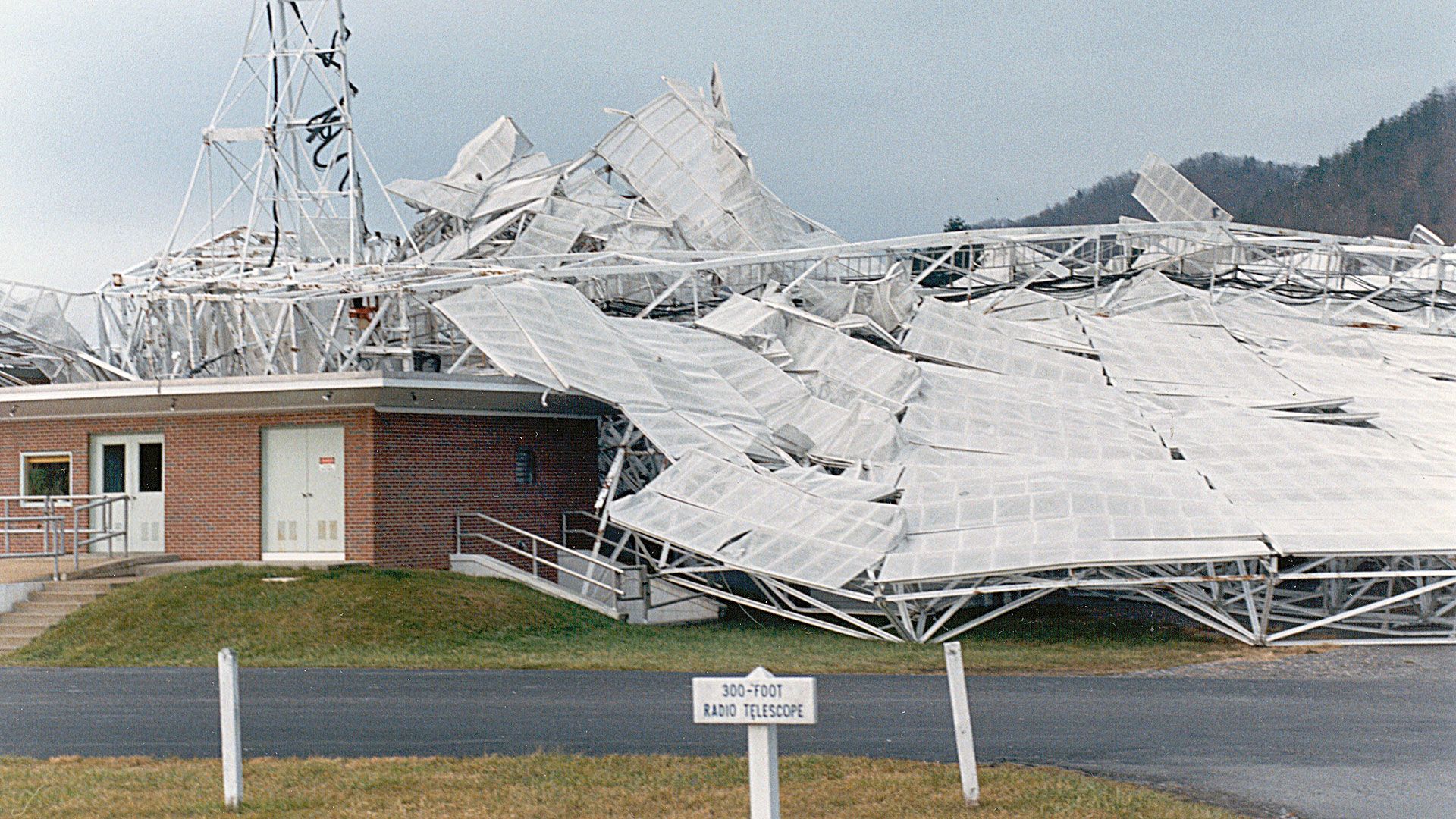
The Day a Giant Space Telescope Fell Down
In 1988, a massive radio telescope in West Virginia collapsed suddenly, leaving behind only a pile of metal.

Euclid Telescope Finds 15,000 New Cosmic Magnifying Glasses
A powerful new space telescope has spotted a record-breaking number of giant cosmic lenses to help us study the invisible dark universe.

Astronomers Find a Star Nursery Growing Up at Different Speeds
A single clump of space gas is hiding three baby stars at very different stages of their development.
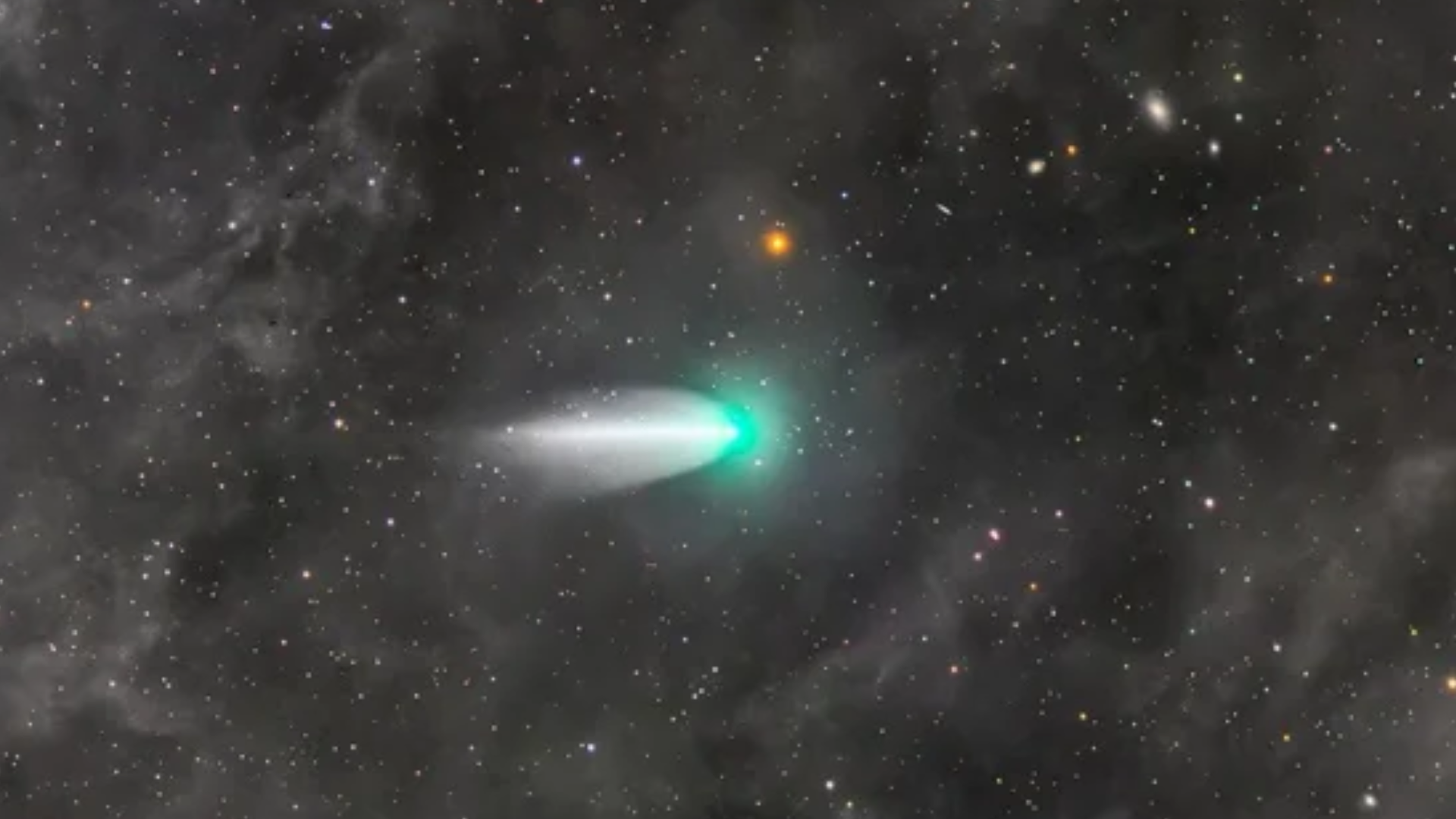
A Comet Suddenly Shattered and Became Thousands of Times Brighter
A mysterious space rock named 220P/McNaught blew itself apart this summer, causing a sudden and massive display of light.

SpaceX Starship Caught Midair by Giant Robot Arms
A massive spacecraft returned from orbit and was snatched out of the sky by a mechanical tower in a historic test flight.
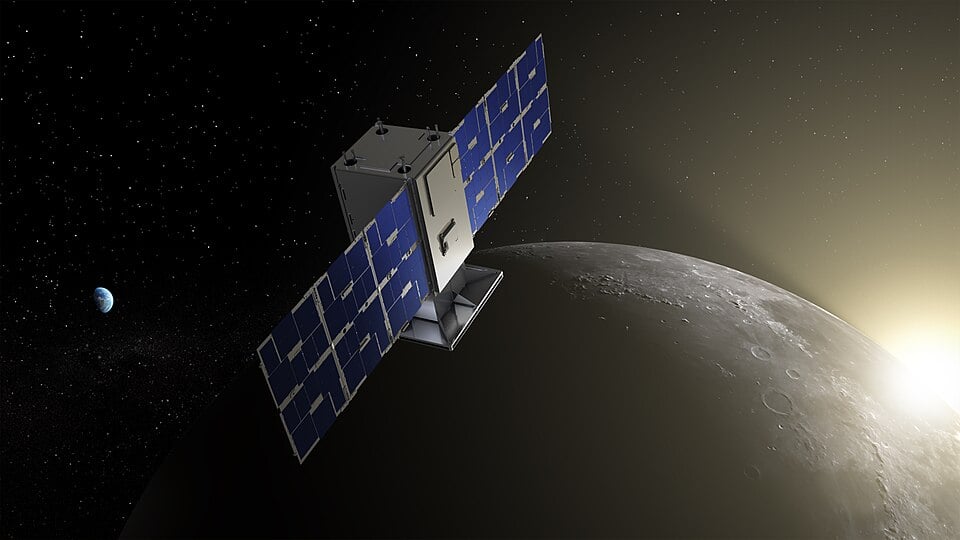
Using Shadows to Find Spaceships
Scientists have found a clever way to track satellites in space using only the shadows cast by the Moon and Earth.

New Data Challenges Idea of a Giant Black Hole in an Early Galaxy
Scientists took a closer look at a distant galaxy called UHZ1 and found that its famous supermassive black hole might not exist after all.
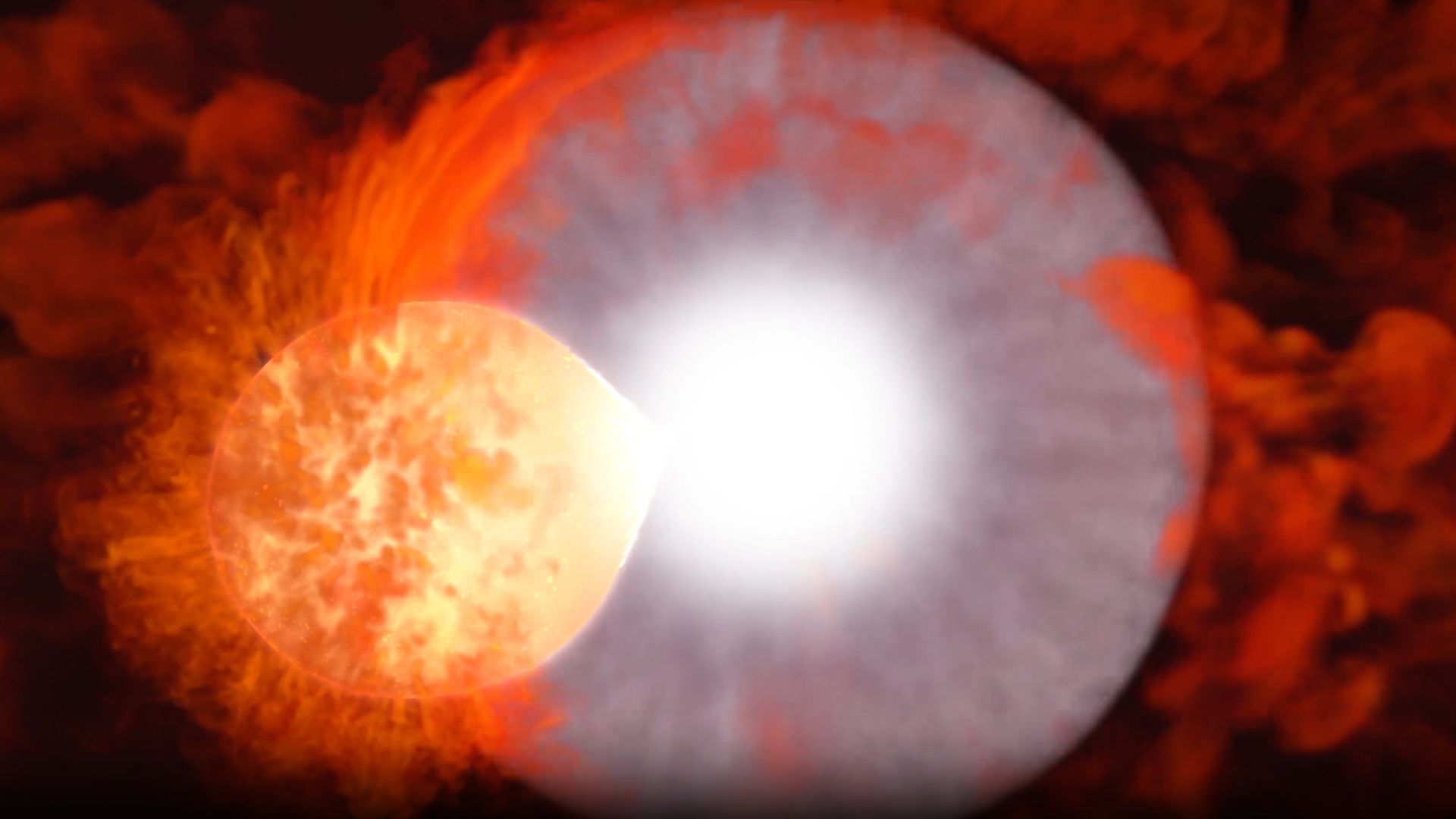
Why We Are Still Waiting for the Blaze Star to Erupt
Astronomers know a cosmic explosion is coming, but the star is taking its time.
Why Martian Rocks Are So Different From Earth Rocks
Scientists discovered that the tiny minerals inside Martian meteorites behave differently because of their unique history on the Red Planet.
Supercomputer Models Reveal How Massive Stars Die in Violent Explosions
Scientists created a new library of digital stars to help us understand how some of the most powerful explosions in the universe occur.
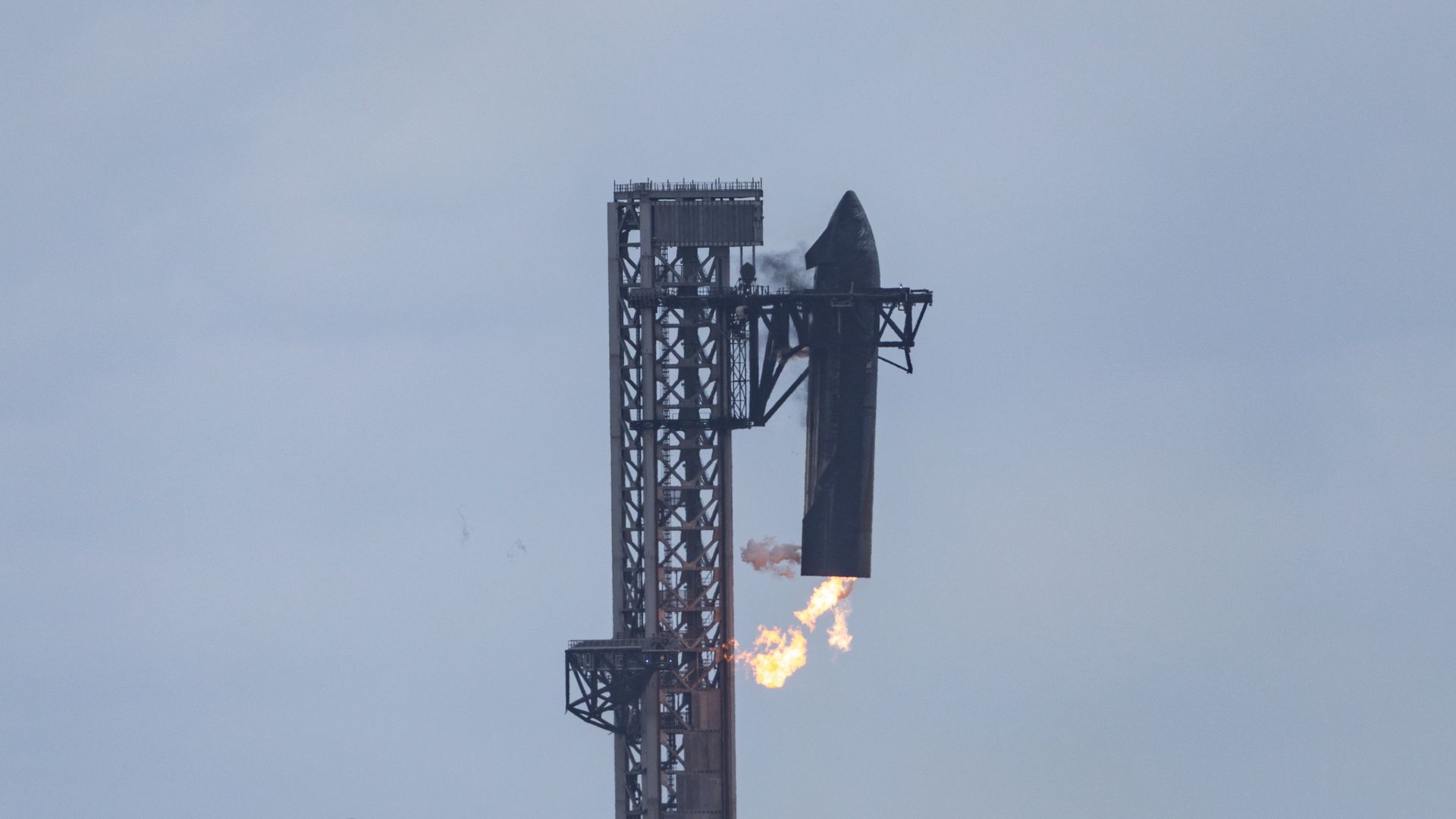
SpaceX Successfully Catches Starship Rocket
SpaceX reached a major goal by catching the upper part of its Starship rocket with giant mechanical arms after a test flight.

A Dead Star Is Flashing Radio Waves Like A Clock
Astronomers found a mysterious star system that sends out radio pulses every eight minutes, and it is not what they expected.

Voyager 1 Reaches a Record-Breaking Distance of One Light-Day
After 49 years of traveling, Voyager 1 is now so far away that it takes a full day for its radio signals to reach Earth.
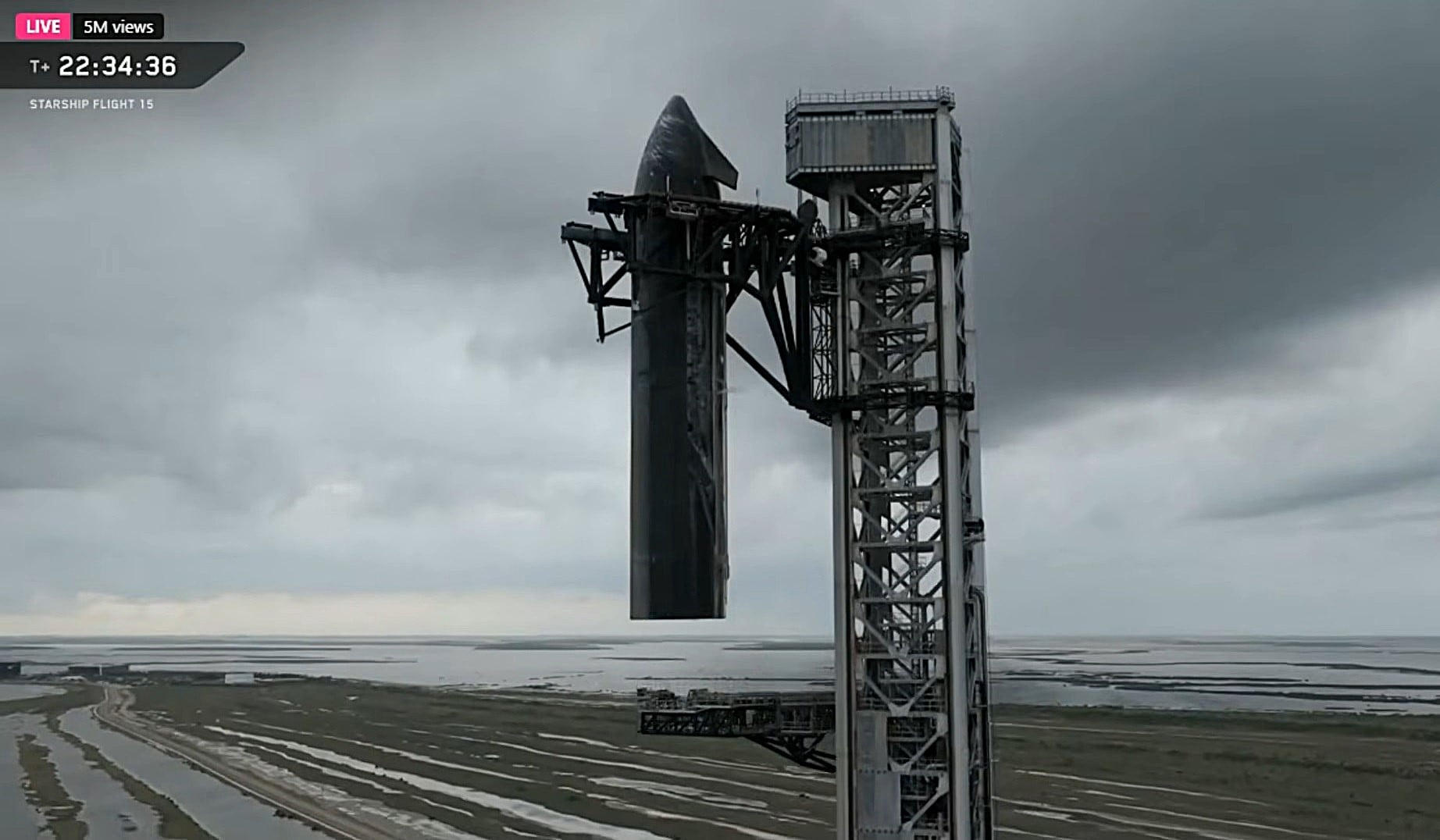
SpaceX Successfully Catches Orbiting Rocket Ship for First Time
A SpaceX spacecraft just returned from orbit and was caught midair by giant mechanical arms at the launch site.

A New Test Confirms the First Picture of a Black Hole is Real
Scientists used a new math trick to re-examine data of the giant black hole in the M87 galaxy, proving the original famous image is correct.
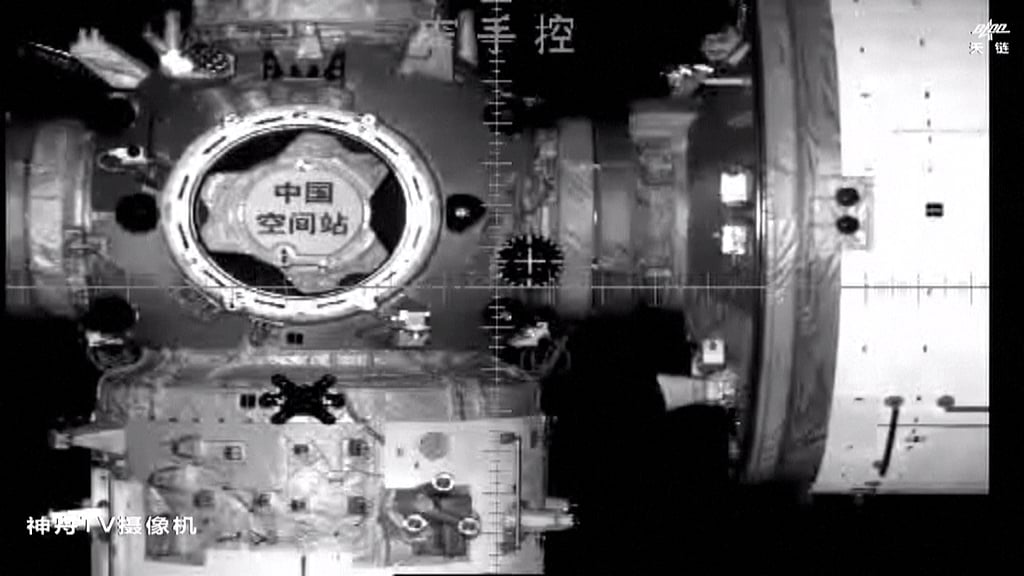
A New Space Partnership: Pakistan’s First Astronaut to Join China’s Station
China and Pakistan are teaming up for a historic mission that will send the first foreign astronaut to the Tiangong space station.

Mapping the Invisible 'MeV Gap' of High-Energy Space
Scientists have unveiled a massive new map of space light, helping us see hidden energy signals that were previously almost impossible to detect.
High-Speed Space Dust Electrifies Mercury's Atmosphere
New research shows that fast-moving space debris turns into glowing, charged particles when it hits the surface of Mercury.
Astronomers Create New Catalog of Thousands of Young, Active Stars
Scientists used two powerful telescopes to identify nearly 10,000 young stars, helping us learn how solar systems like ours are born.
Future Space Detectors Might Catch Ghostly Repeating Gravity Waves
Scientists have built a model to predict how space-based telescopes could spot gravity waves bent by the massive gravity of distant galaxies.
Solving the Mystery of Cosmic Dust in Star-Forming Clouds
New research reveals that dust grains in space grow and change in unexpected ways depending on their local environment.
Unlocking the Secrets of Uranus and Neptune
Scientists are studying gas atoms in the air of giant planets to figure out how they were born.
Why Some Star Clusters Look Like They Are Falling Apart
New research reveals that missing low-mass stars are making some star groups seem unstable when they are actually perfectly fine.
Hidden Ice Deposits Reveal a Changing Surface on Dwarf Planet Ceres
Scientists found evidence that ice is shifting and moving across the surface of the dwarf planet Ceres near its poles.
Spacecraft Team Up to Track Mysterious Solar Particles
Three space probes used a rare alignment to study how tiny, high-energy particles move through the solar system.
A Giant Space Gas Cloud Is Building New Stars in the M33 Galaxy
Scientists have found a massive, long string of gas in the nearby M33 galaxy that is acting like a nursery for baby stars.
Looking Inside a Planet Factory Around a Young Star
Astronomers used a powerful telescope to map the hidden chemicals where new planets are born.


Using Desert Dunes to See Beneath the Surface of Mars
Scientists used desert radar to learn how to scan Martian sand dunes for hidden structures.
Astronomers Study Stars That Feed Off Each Other
Scientists have taken a closer look at rare binary star systems that swap mass and hide their secrets behind shells of dust.
A Lonely Brown Dwarf Reveals How Planets Migrate
Scientists found a massive object circling a star, helping explain how objects move through space like dancers changing partners.
Astronomers Hunt Hidden Planets Around Young Stars
Scientists are using Gaia satellite data to find giant hidden planets inside the swirling disks of dust where new solar systems are born.
Webb Telescope Reveals How Planet-Forming Disks Change Over Time
New observations show how gas and dust around young stars evolve, potentially shaping the atmospheres of future planets.
Magnetic Activity Tricks Scientists About Red Dwarf Star Sizes
Some small, active stars look younger and lighter than they actually are because their magnetic fields mess with their light.
Milky Way Stars Tilted to Match Our Galaxy's Shape
New research shows that stars in our galaxy move in a tilted pattern that reveals the hidden strength of the Milky Way's gravity.
First Fast Radio Burst Candidate Detected from South America
Researchers in Argentina have identified a potential new source of a mysterious, high-energy radio signal from deep space.
Why Neutron Stars Wobble Like Spinning Tops
Scientists have uncovered why some dead stars spin unevenly, helping us hunt for invisible ripples in space called gravitational waves.
How Historic Gemini Astronaut Photos Changed Earth Science
In 1966, astronauts taking photos from orbit helped start a new era of watching our planet from space.
Distant Star Partners May Help Push Giant Planets Closer to Their Stars
New research suggests that far-off companion stars play a big role in moving giant planets into hot, close orbits.
Cooling Down: New Models Show How Neutron Stars Lose Energy
Scientists have updated their math to better understand how dense, collapsed stars cool down by releasing ghost-like particles called neutrinos.
A New Way to Tune Into Pulsar Signals
Scientists have found a better way to clean up static interference from spinning neutron stars, helping us hunt for ripples in space.
How Galaxies Clear a Path for Starlight
New research shows how powerful winds from young, crowded galaxies help light travel through space.
Air Force Jets Paint a Heart Over NASA's Launch Site
The U.S. Air Force Thunderbirds created a giant heart in the sky during a special aerospace festival at Kennedy Space Center.
Solving the Mystery of Bending Light in Space
Scientists found a better way to explain why distant light looks 'wrong' when warped by galaxies.
A Peek Inside the Glowing Star Clouds of Andromeda
Astronomers captured a stunning view of NGC 206, a giant, bright region of young stars inside our neighboring Andromeda Galaxy.
Mangrove Forests Are Making a Comeback Around the World
Scientists have found that important coastal mangrove forests are finally starting to grow back after many years of disappearing.